

Hand Painted Furniture has become a fast rising trend for home decorators, DIYers, and design enthusiasts who want personalized spaces without buying brand new items. Whether upcycling an old dresser or bringing vintage pieces back to life, the allure of custom finishes is driving fresh innovation—and real challenges—in 2024.
Key Takeaways
- Hand painted furniture is growing in popularity due to demand for custom, eco-friendly home design.
- High-quality results require careful surface prep, material compatibility, and the right paint selection for durability.
- Most DIY mistakes—such as chipping, uneven finishes, or peeling—can be avoided with advanced techniques and realistic expectations.
- Understanding Hand Painted Furniture Today
- How to Hand Paint Furniture: Step-by-Step
- Advanced Analysis & Common Pitfalls
- Conclusion
- FAQ
Understanding Hand Painted Furniture Today
Hand painted furniture means transforming new or used pieces with customized finishes, designs, and colors using modern paint techniques. As of 2024, the interest in this DIY approach is fueled by several trends: the desire for personal expression, sustainability through upcycling, and the use of advanced paints that perform far better than in the past.
In fact, the furniture paint market reached USD 12.3 billion in 2024 and is set to climb to nearly USD 19 billion by 2034, thanks to booming demand in Asia-Pacific and sustained popularity in Europe and North America. Residential applications make up over half of these revenues, showing that homeowners are embracing painted pieces to refresh interiors without replacing everything.
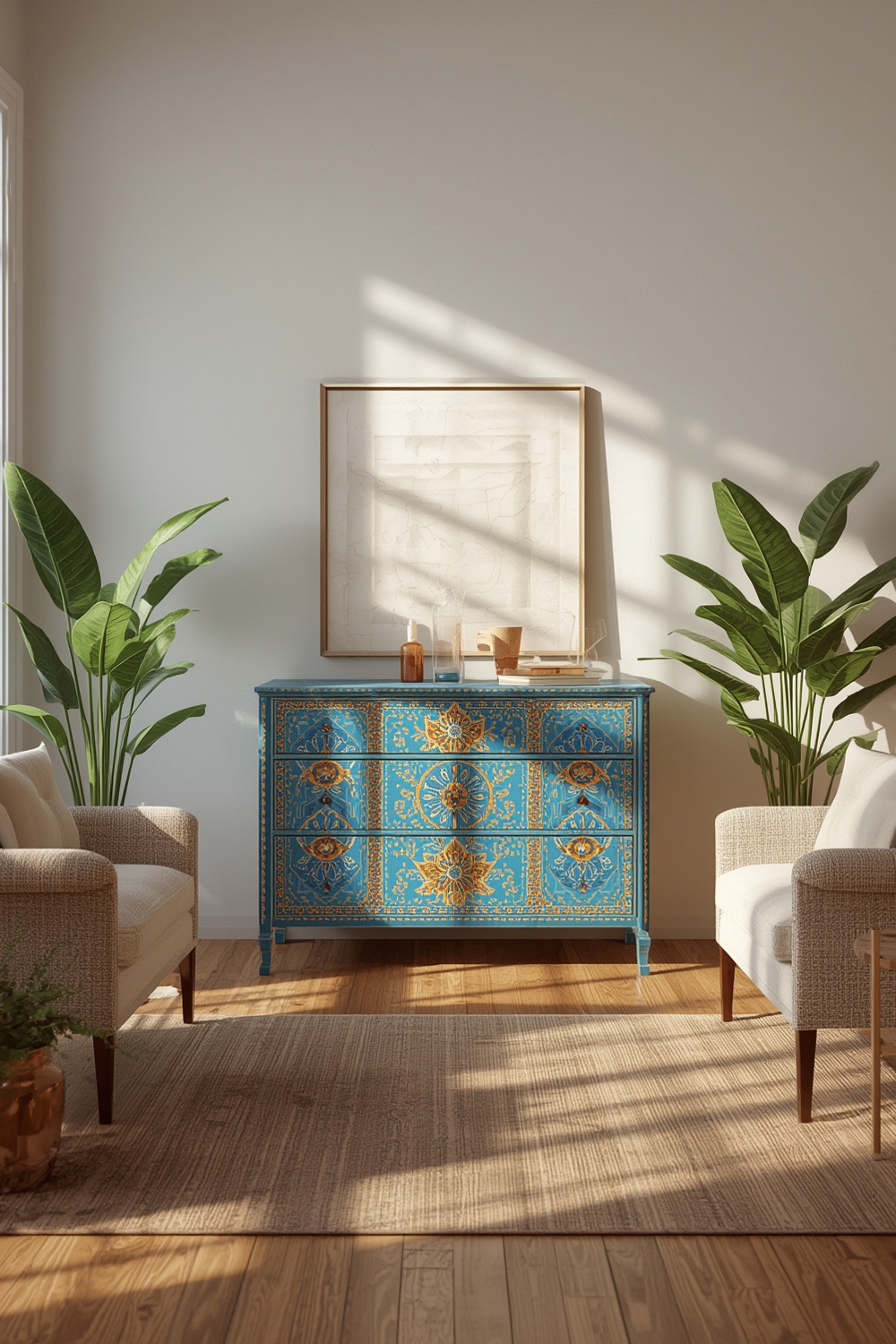
Yet, the rise of hand painting is not just about style. It’s also about smarter, safer, and greener materials. Polyurethane (PU) paints, once reserved for industrial use, now dominate the market due to their abrasion resistance and lasting gloss. Waterborne, low-VOC (volatile organic compound) paints allow DIYers to refurbish furniture safely at home, aligning with stringent global eco-standards. This shift is part of a larger move toward custom furniture, projected to surpass USD 65 billion by 2032.
Despite these advances, top-ranking guides rarely focus on the nitty-gritty problems home painters face—like how to prep damaged antiques, test paints for different surfaces, or fix poor finishes. That’s where this guide adds real-world value.
Looking for ways to maximize your space or create a unified home look? Find more inspiration in our guides to garage storage solutions and kitchen storage containers.
How to Hand Paint Furniture: Step-by-Step
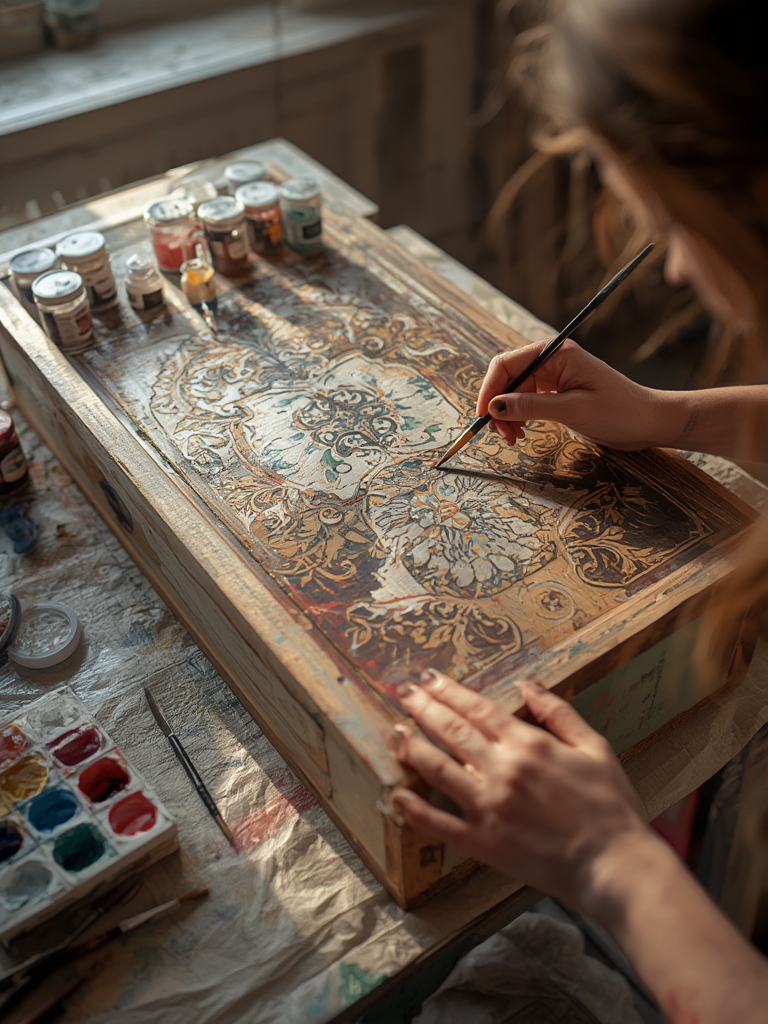
Anyone can paint a piece of furniture, but successful, lasting results hinge on following a thorough process. Here’s an actionable step-by-step rundown (with actual pitfalls to avoid) for hand painted furniture in 2024.
- Assess the Furniture
Look for loose veneers, deep scratches, water damage, or waxy residues. If the piece is antique or valuable, consider researching advanced restoration before proceeding—this is a commonly skipped step that top guides ignore. - Gather Your Tools & Materials
At a minimum, you’ll need: low-VOC primer, high-quality furniture paint (matte or gloss PU recommended), sealant or topcoat, sandpaper (120, 220, 320 grit), degreaser or soap, high-density foam and angled brushes, painter’s tape, and drop cloths. Expect $30-100 in materials for a single medium dresser, with time investment ranging from 1-3 days including drying. - Prepare the Surface
Remove hardware. Clean thoroughly with a degreaser or mild soap and dry. Sand surfaces to remove gloss and smooth defects. Wipe away all dust—this step is critical for proper paint adhesion, especially on factory or laminate finishes. - Prime the Furniture
Apply a stain-blocking, low-VOC bonding primer compatible with your chosen paint. Let it cure fully per manufacturer’s instructions (often 12-24 hours). Don’t rush this step—poor priming is the biggest cause of peeling or splotches. - Apply Paint in Even Layers
Using a foam roller for flat areas and an angled brush for corners, apply your paint in thin, overlapping coats. Avoid overloading the brush—this creates streaks or drips. Let each layer dry completely before applying the next. Two to three coats usually suffice for bold coverage. - Choose the Right Finish
Matte (soft, modern), gloss (shiny, wipeable), or specialty (e.g. metallics)—match your finish to the function and desired look. For frequently used pieces (kitchen tables, dressers), Polyurethane (PU) paints gloss or semi-gloss is more durable. - Seal for Durability
Once the paint is fully dry, apply a compatible sealant or topcoat in 1-2 thin coats. This protects against moisture, stains, and daily wear. Allow to cure for 24-48 hours before regular use.
Want matching outdoor decor? Our deep dive on best patio furniture sets will help you coordinate style across all living spaces.
Advanced Analysis & Common Pitfalls
Hand painting furniture isn’t all Instagram-worthy transformations. Here are the most common issues—plus realistic solutions—backed by industry trends and user feedback.
Pitfall 1: Chipping or Peeling Paint
The biggest complaint is paint not sticking or chipping soon after use. This usually results from skipping surface prep, using the wrong primer, or trying to paint directly over slick laminates and varnish.
Pitfall 2: Brush Marks, Drips, and Streaks
Low-quality brushes, overloading with paint, or failing to sand between coats will all ruin the final look. Cheap paints with poor self-leveling properties also make things worse.
Pitfall 3: Poor Material Compatibility
Factory laminates, some veneers, or wax/oil-treated woods often reject regular paints and primers. Material testing is essential—one universal solution does not exist.
Pitfall 4: Durability Issues
Popular DIY paints like polyurethane (PU) provide excellent durability and shine, but only when the prep is meticulous. Otherwise, abrasion resistance and chemical protection will not perform as advertised.
Pitfall 5: Safety, Ventilation, and Environmental Concerns
Paints have come a long way, with low-VOC and waterborne formulas dominating in 2024 to meet tough EU and U.S. standards
(see market data), but DIYers should still work in well-ventilated spaces and use gloves or masks as needed for any solvent-based products. Check the label for compliance certifications and curing times.
| Common Problem | Root Cause | Realistic Fix |
|---|---|---|
| Peeling or Chipping | Skipped prep or incompatible surfaces | Degrease and sand; use bonding primer |
| Visible Brush Marks | Poor quality brushes or rushing coats | Use foam rollers, sand lightly between coats |
| Uneven Finish | Over-application or failure to clean dust | Apply thin coats, always dust off surfaces |
| Fumes & Safety | Using solvent-based paints indoors | Choose low-VOC waterborne paints, ventilate well |
| Poor Durability | Improper curing, no sealant | Let each coat dry fully, always seal after painting |
If you want tech to do your housework while you paint, don’t miss our guide to best robot vacuums for home—effortless cleaning while you DIY!

Conclusion
Hand painted furniture is a practical, sustainable way to refresh your home, add unique flair, and control costs—if you approach it realistically. Advances in paint formulations, especially low-VOC and durable PU options, make it easier than ever to get professional results at home. Common pitfalls like chipping or poor finishes can be avoided with careful prep and finishing. Embrace advanced restoration techniques and always test for material compatibility. Start your hand painted furniture project with confidence, and don’t forget to check out our resources on modern air fryers and organization essentials for more home inspiration.
Ready to transform your next piece? Get started—your perfect, hand painted furniture is just a few steps away!
FAQ
What types of paint are best for hand painted furniture in 2024?
Polyurethane (PU) paints are leading for their abrasion resistance and glossy finishes. For most DIYers, low-VOC waterborne formulas are the safest and easiest to work with. Matte, semi-gloss, or specialty paints like metallics can also be chosen based on the furniture use and your style goals.
Do I need to sand all furniture before painting?
Yes, unless you’re using specific “no-prep” chalk paints (which still benefit from light sanding). Sanding ensures paint adhesion and a smoother finish, especially on varnished or laminate surfaces.
How can I avoid brush marks and uneven finishes?
Use high-density foam rollers for flat surfaces, good quality angled brushes for corners, and always apply several thin, even coats. Sand lightly between coats and dust off completely before painting again.
Is painted furniture safe for households with kids or pets?
If you choose certified low-VOC, water-based paints and always cure and seal the furniture properly, hand painted furniture is safe for most homes. Always let painted and sealed surfaces cure fully (check the label) before regular use.
How long does a typical hand painted furniture project take?
For a small to medium dresser, expect anywhere from one full day (for quick-dry paints) to three days, allowing for prep, drying, painting, and curing. Larger or complex projects will need more time for advanced restoration or repairs.
—