

### Blog Post:
Best Storage Shelves for Home are essential for maximizing space, reducing clutter, and creating a more organized living environment. If you want shelves that actually fit your needs and withstand the demands of modern home life, this guide provides everything you need—stats, practical steps, pitfalls to avoid, and honest answers to common questions.
Key Takeaways
- Demand for versatile, customizable storage shelves is growing rapidly around the world, especially in North America.
- Choosing the right shelf comes down to understanding materials, space, and intended use—without overpaying for unnecessary features.
- Watch for hidden downsides such as assembly headaches or insufficient weight limits when selecting a shelf for your home.
- What Are the Best Storage Shelves for Home and Why Do You Need Them?
- Step-by-Step Guide: Choosing and Installing the Right Storage Shelves
- Advanced Analysis & Common Pitfalls
- Conclusion
- Frequently Asked Questions
What Are the Best Storage Shelves for Home and Why Do You Need Them?
Home storage shelves have seen a surge in popularity as more people seek to declutter and efficiently use their living spaces. The global market for shelving units is booming, reaching an estimated USD 26.03 billion in 2024 with North America leading demand. Major trends include sustainable materials, adjustable designs, and a strong preference for both metal (for durability) and wood (for visual warmth).
If you’re tired of shuffling boxes or can’t find that holiday garland when you need it, a reliable storage shelf transforms chaotic corners into functional, attractive displays. Shelves are now customizable, supporting flexible layouts for open living rooms, compact apartments, and busy kitchen pantries.
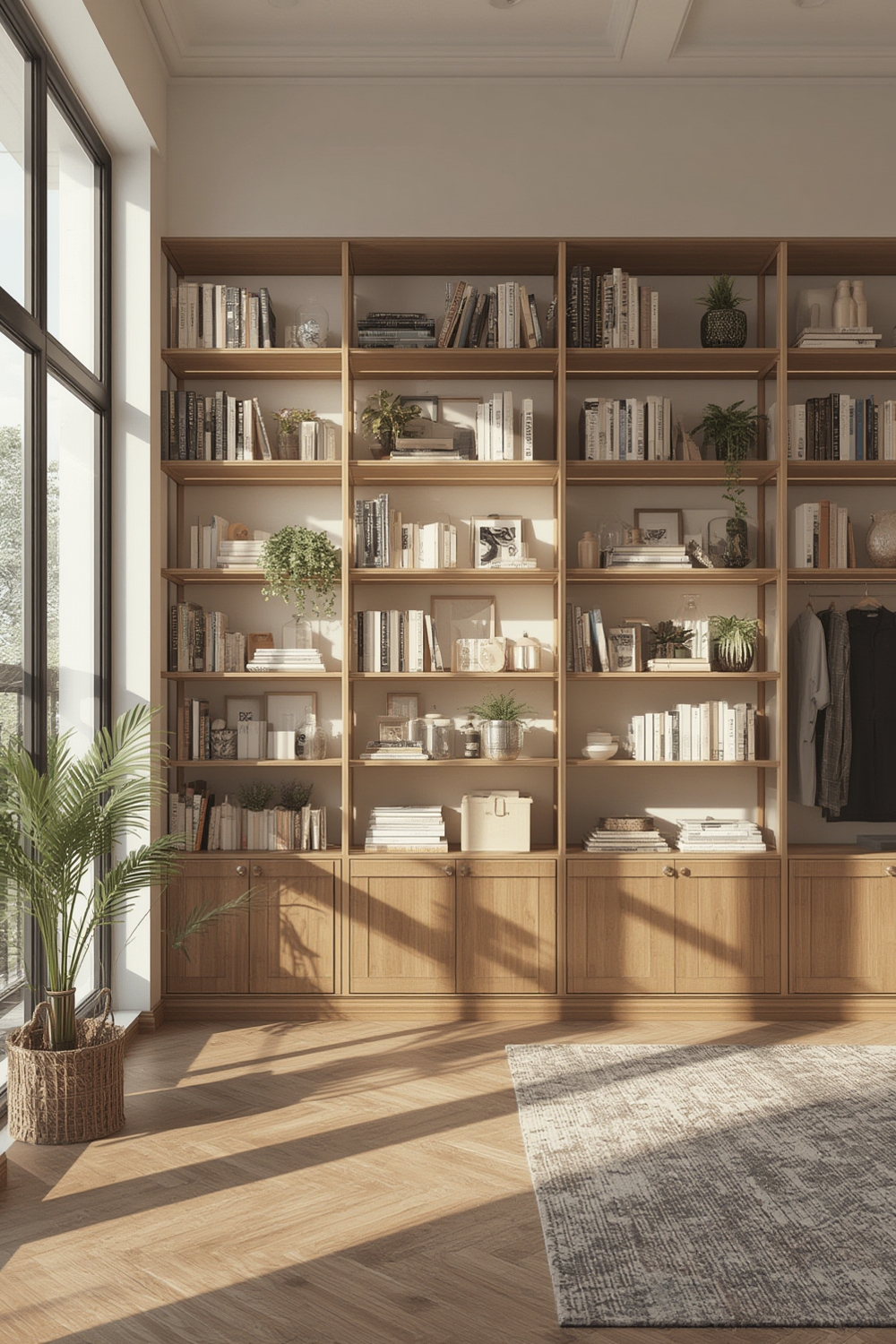
Choosing the best storage shelves for home depends on what you need to store, the look you want, and your budget. Reliable shelving makes organization simple. But with so many styles and materials—metal, wood, plastic, glass, and wire—the options can be overwhelming. Below is a practical guide for selecting shelves that solve real problems and last.
Step-by-Step Guide: Choosing and Installing the Right Storage Shelves
Getting the most from your storage shelves isn’t difficult when you follow these realistic steps:
- Assess Your Space: Measure the area where you want to add shelves. Be realistic—account for doors, HVAC vents, and walkways. Sketch the space, and double-check dimensions before browsing products.
- Determine the Load: List what you actually need to store. Heavy items like books or canned food need metal or hardwood shelves, while lightweight décor or baskets can go on less sturdy materials.
- Choose Material: Prioritize based on strength, durability, aesthetics, and cost. Metal shelves are winners in garages and pantries; wood is best for living rooms, bedrooms, or visible storage; plastic works for kids’ rooms and closets.
- Pick the Right Type: Freestanding units are flexible and require no wall drilling. wall-mounted shelves save floor space, but require stud finding and tools. Adjustable units grow with your storage needs.
- Check for Customization and Extras: Look for adjustable heights, modular add-ons, and features like wheels, hooks, or integrated baskets.
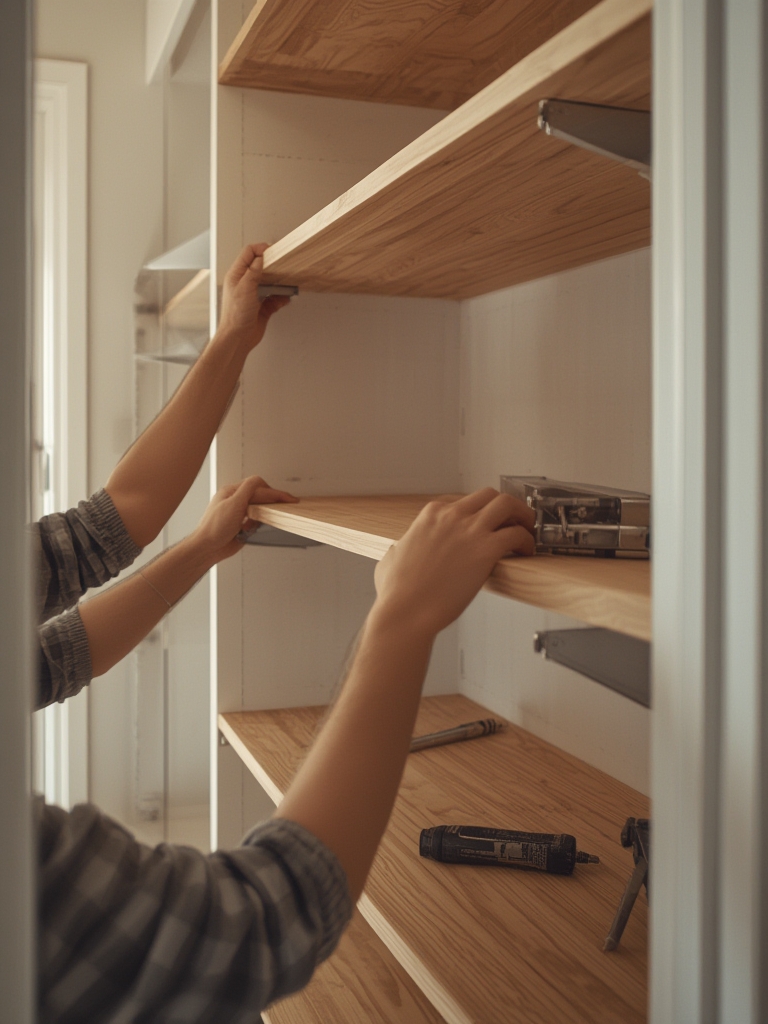
- Review Assembly Requirements: Check if you’ll need special tools. Some shelves assemble with basic hand tools in under an hour; others require two people and a full toolkit.
- Consider Warranty and Support: Shelves from major retailers usually come with warranties; verify what’s covered and for how long.
- Order and Bring Home: Double-check receipts for return policies. When your shelf arrives, inspect for missing parts before starting assembly.
- Install Carefully: Use a level, follow instructions, and secure wall-mounted units into studs for safety.
- Organize and Load Items: Distribute weight evenly, reserve lower shelves for heavier items, and avoid overloading. Use storage bins to prevent small items from falling.
If you want expert opinions or examples of smart shelf usage, check out guides on kitchen pantry storage ideas or compare with our best small space shelving units roundup for even more inspiration.
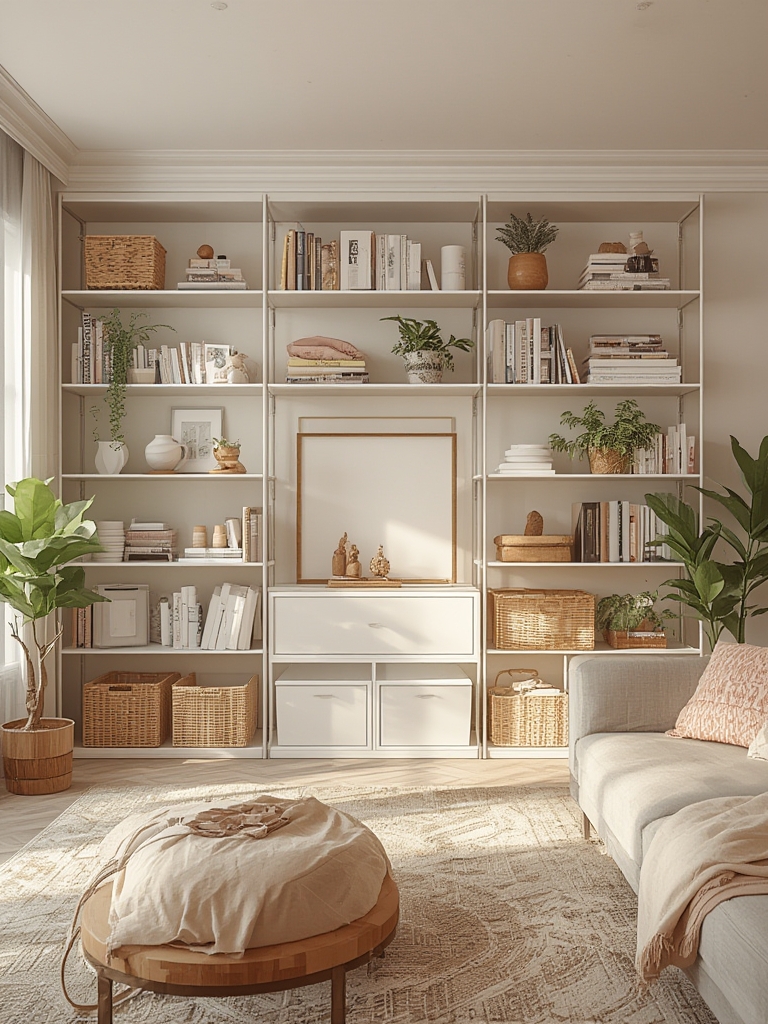
For maximum organization, categorize shelf contents by frequency of use. Group daily-used items at eye level, while seldom-used decor or seasonal gear gets the highest or lowest shelves. Bins, baskets, and shelf dividers bring order to small, loose belongings.
Need more ideas? Read our utility room organization hacks or get started on garage shelving solutions for different shelf models and room types.
Advanced Analysis & Common Pitfalls
While storage shelves promise an instant fix to clutter, real-world installations reveal common pitfalls. Here’s what owners and experts consistently struggle with, and how to avoid expensive mistakes.
| Material | Strengths | Drawbacks | Typical Price Range |
|---|---|---|---|
| Metal | High weight capacity; durable; good for garages/kitchens | Industrial look may not suit all rooms; can rust if finish is poor | Varies widely; usually mid to high |
| Wood | Aesthetically pleasing; blends into home décor | Can warp with moisture; sometimes less load capacity | Moderate to high, varies by wood type |
| Plastic | Lightweight; affordable; mildew-resistant | Low weight limits; prone to flex and cracking over time | Low to moderate |
| Wire | Airflow; customizable; easy to clean | Small items can tip over or fall through gaps | Moderate |
Key pitfalls include:
- Poor Assembly Instructions: Some brands provide minimal diagrams or unclear steps, causing frustration. Avoid by searching for user-uploaded videos or detailed PDF guides.
- Underestimating Weight Needs: Many users overload shelves, especially particle board or plastic, leading to sagging or failure. Always check manufacturer’s stated capacity—for a sense of real numbers, see our storage weight limit guide.
- Wrong Hardware for Walls: Wall-mounted units need studs or heavy-duty anchors. Ignoring this leads to collapsed shelves and wall damage.
- Lack of Customization: Fixed shelf heights limit adaptability. Go adjustable if your storage needs might change.
- Inflexible Designs: Some shelves don’t fit odd wall spaces, corners, or around doors. Modular and open designs work better in non-traditional layouts.
- No Warranty or Customer Support: Shelves from unknown brands or overseas sellers may have limited return/refund options. Stick with reputable suppliers and always check policies.
For current trends and in-depth numbers, read the full market research report or this breakdown of the North American market. If you are tackling a custom project, our DIY storage shelf plans might be helpful.
Conclusion
The best storage shelves for home are those that solve your real problems without breaking the bank or ruining your décor. Know your space, match the shelf to your actual storage demands, and don’t hesitate to invest in quality if you want years of reliable use. Remember: the Best Storage Shelves for Home are the ones you’ll still love and use after the excitement of organization day is over.
Ready to transform your home? Explore our home organization guides for tips, inspiration, and unbiased reviews. Don’t let clutter win—take a step toward a tidier, easier-to-manage home today.
Frequently Asked Questions
What’s the ideal material for home storage shelves?
It depends on your needs. Metal is best for strength and durability. Wood is great for aesthetics. Plastic is lightweight and affordable, though less sturdy.
How do I know if a shelf can handle the weight I need?
Check the manufacturer’s stated weight capacity. For heavy use, choose shelves designed for garages or commercial use. Never exceed stated limits, and distribute weight evenly.
What is the average lifespan of home storage shelves?
Lifespan depends on material and usage. Metal and solid wood shelves can last decades when properly maintained. Plastic shelves typically last 3-7 years under normal use.
Are there shelves suitable for renters?
Yes. Freestanding shelves are ideal—they require no drilling and can be taken with you when you move. Some wall shelves use removable adhesive systems, though weight limits are lower.
How do I avoid shelves that wobble or topple over?
Assemble on a level surface, tighten all connections, and anchor tall freestanding shelves to the wall if possible. Store heavier objects on lower shelves for greater stability.