

Best Steam Mops for Tiles are rapidly becoming the top cleaning solution for households looking for easy, chemical-free ways to sanitize their floors. Modern steam mop models for tiles offer fast results, impressive germ elimination, and minimal residue—providing an efficient upgrade to mops and buckets.
Key Takeaways
- The best steam mops for tiles deliver powerful, chemical-free sanitization and are proven to work especially well on sealed hard floors.
- Current market trends favor cordless, multifunctional models; however, compatibility is strictly limited to sealed surfaces, excluding unsealed hardwood.
- Comparing brands like Shark and Tineco reveals limited published specs but strong user demand for fast heat-up, high steam output, and easy handling on tile floors.
- What Makes Steam Mops the Best for Tiles?
- Step-by-Step: How to Get the Most from Your Steam Mop on Tiles
- Advanced Analysis & Common Pitfalls: Realistic Pros, Cons & Comparisons
- Conclusion
- FAQ
What Makes Steam Mops the Best for Tiles?
Steam mops have become the top pick for cleaning tiled floors thanks to their strong sanitizing power and eco-friendly approach. The best steam mops for tiles use heated water to blast away dirt, grime, and bacteria without the need for harsh chemicals. This chemical-free method appeals to health-conscious homeowners and hospitality managers keen on maintaining hygiene with minimal hassle.
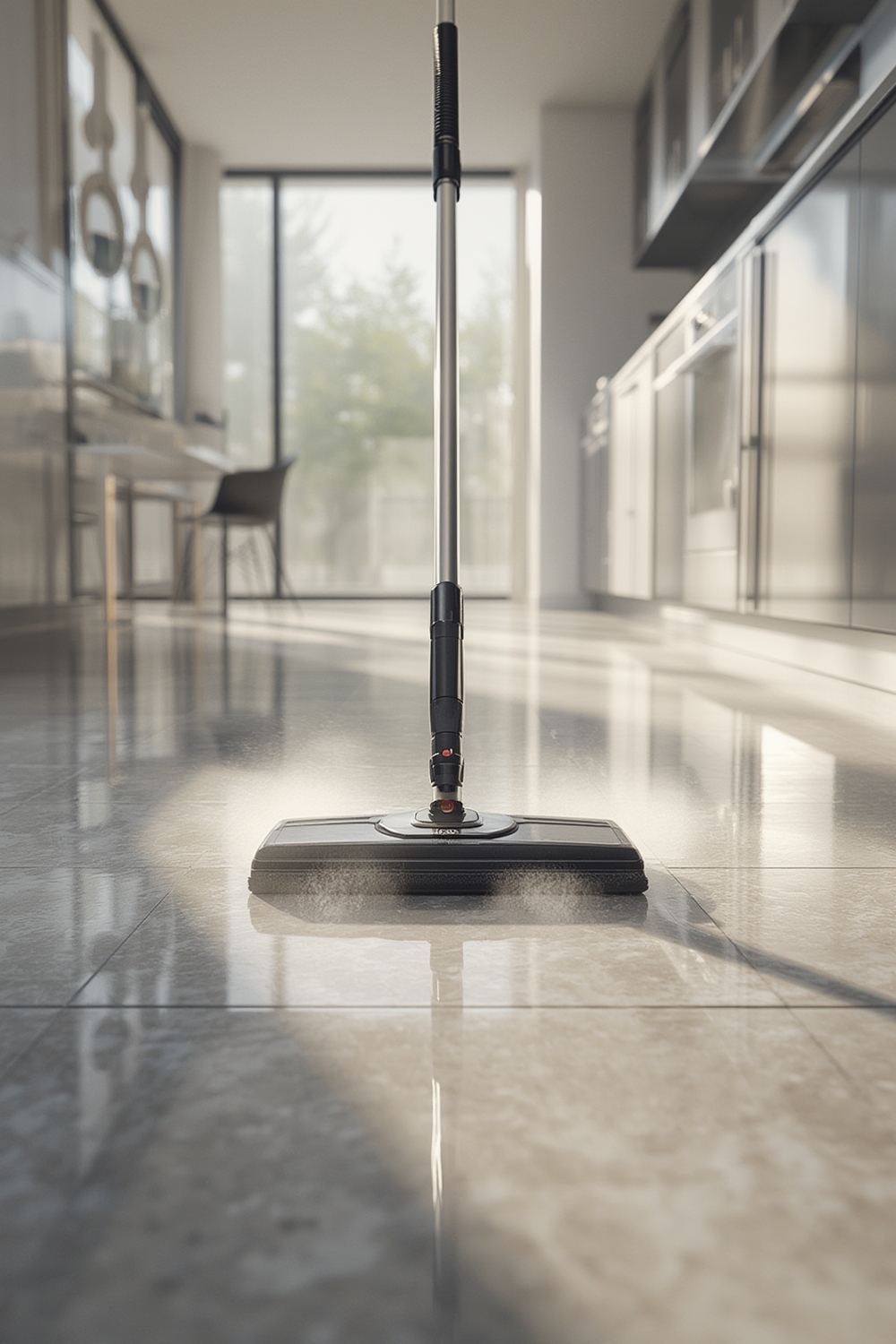
Current market statistics show that hard floor steam mops—including those for tiles—dominate the segment, largely because tiled surfaces withstand heat and moisture better than sensitive flooring types. As demand for cordless and user-friendly models grows, manufacturers like Shark, Tineco, and Vileda are releasing advanced designs specifically optimized for tile floors. Most quality steam mops for tiles come with adjustable steam settings to handle both light and heavy cleaning jobs.
Importantly, steam mops offer true sanitization by killing a broad spectrum of germs and bacteria at high temperatures—making them a far superior choice for hygiene compared to conventional mopping, especially in kitchens and bathrooms. To see comparative analysis against traditional methods, read more in our breakdown of tile cleaning methods.
On the flip side, steam mops are not compatible with unsealed hardwood or other sensitive floors, which could warp or discolor from steam. Still, for sealed tile, porcelain, or ceramic, steam mops are one of the best home upgrades for quick, professional-level results.
Step-by-Step: How to Get the Most from Your Steam Mop on Tiles
Getting exceptional results with your steam mop does not require tech skills—just a solid, sensible routine. Here’s a direct process you can follow for maximum shine, minimal effort, and a truly sanitized tile floor:
- Prep Your Floor: Clear away loose objects and sweep or vacuum up debris. Avoid mopping over crumbs or sand for better finish and mop pad life.
- Fill the Water Tank: Use distilled or demineralized water to extend your steam mop’s lifespan. Never add cleaning agents–they may damage the unit and void warranties.
- Attach a Clean Mop Pad: Always start with a fresh, clean pad—using a dirty one can cause streaks or just move grime around.
- Allow Full Heat-Up: Wait until your steam mop fully heats up (usually under a minute for modern models). Most lights or indicators show when it’s ready.
- Set the Appropriate Steam Level: On stubborn grime or grout lines, crank up the steam setting, but use lower steam for everyday cleans or sensitive tile glazes.
- Mop Slow and Steady: Glide the mop at a slow, even pace for deeper sanitization and easier cleaning. Hit high-traffic areas twice and use the steam “burst” feature for sticky messes.
- Change Pads as Needed: For large or very dirty spaces, swap out mop pads mid-job to prevent streaking or re-depositing dirt.
- Wipe Excess Moisture: Use a microfiber cloth after mopping to quickly dry the tiles and buff away any water streaks left behind.
- Maintenance: Wash mop pads promptly after use and descale your machine every few months, especially if you have hard water.
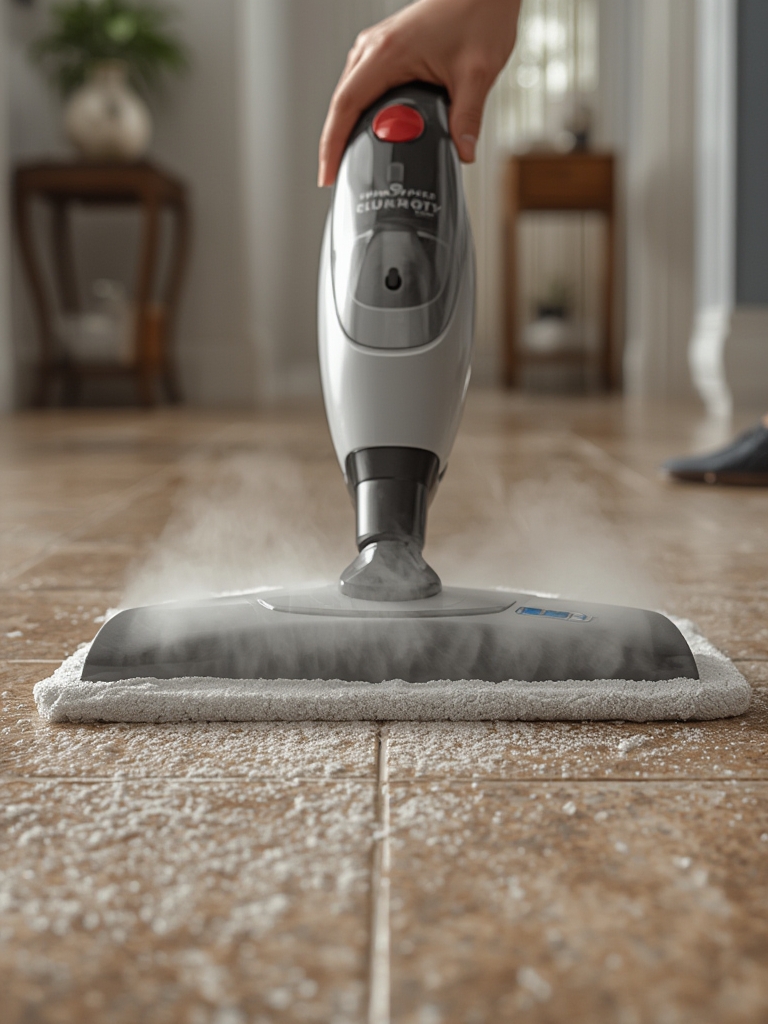
For people seeking deeper grout cleaning, try our advanced grout steaming guide for detailed techniques not found in most product manuals.
If you’re a pet owner, check out our post on steam mops for pet hair and tiles for more targeted advice.
Advanced Analysis & Common Pitfalls: Realistic Pros, Cons & Comparisons
Even the best steam mops for tiles have their downsides. Awareness of these issues and knowing what features to prioritize makes a big difference in satisfaction and results. Here’s what real users and industry data say:
Common Pitfalls and Complaints
- Unsuitable for Unsealed Tiles: Many users don’t realize steam mops can damage unsealed grout or tile finishes. Always check that tiles (and grout) are fully sealed.
- Streaking or Residue: If the mop pad is too dirty or the water used contains minerals, streaks or water spots may remain after mopping. Swapping pads often and using distilled water helps.
- Mop Pad Durability: Continuous hot steam can wear out pads quickly, especially on large jobs. Users report needing several spares for bigger homes.
- Short Runtime or Water Tank Limitations: A small water tank may limit cleaning to just a few rooms at a time—requiring breaks for refills and cool-downs.
- Lack of Model-Specific Specs: In 2024, leading steam mop makers like Shark, Tineco, and Vileda still publish very limited tank capacity, heat-up time, or steam pressure stats—making model-by-model comparison tough.
- No Tile-Exclusive Features: Top models aren’t tile-only, but optimized for all sealed hard floors. There are no specialty pads or modes only for tiles. However, certain models offer more adaptable steam settings, which is beneficial on delicate glazes or varied tile types.
- Higher Cost = More Features, Not Always Better Results: Premium prices bring cordless operation, smart controls, or quick charging, but do not guarantee dramatically improved cleaning results on tile itself. However, better usability and time savings could justify the extra spend for some households.
Quick Comparison Table: What’s Publicly Available for Top Brands in 2024
| Feature | What’s Known (Shark, Tineco, Vileda) | Comment |
|---|---|---|
| Cleaning Efficacy | High on tiles (kills germs/bacteria with steam) | No direct comparison scores; all outperform basic mops [source]. |
| Water Tank Capacity | Not consistently published | Review user manuals for numbers; compare before purchase [source]. |
| Heat-Up Time | Usually under 1 minute for leading models | Not always specified; check per model. |
| Steam Output Levels | Adjustable/multifunctional modes common | No exact figures, but higher-end models offer more control. |
| Tile-Only Features | None; all suitable for multiple sealed hard floors | No exclusive tile pads or modes exist in 2024. |
| Price Range 2024 | Not published; expect from $80-$200+ for top models | Premium features = higher prices, not always better on tile [source]. |
For extra buying advice, explore our budget options roundup or see our complete steam mop buyer’s guide for a feature-by-feature walkthrough.
Scientific data verifies steam as highly effective in removing bacteria and allergens. However, claims of “99.9% germ elimination” on tile are rarely quantified by brands—be skeptical of one-size-fits-all marketing promises and look for independent lab results if hygiene is your top priority. For health-focused home cleaning, see our guide to chemical-free tile sanitization with steam.
Conclusion
Steam mops have secured their place as the leading technology for swift, sanitary tile floor cleaning in homes and businesses. The focus on sealed, hard surfaces ensures compatibility and ease of use. While data is still lacking on direct model comparisons for cleaning power or cost-benefit, the Best Steam Mops for Tiles are proven to deliver outstanding results for those who want efficiency with real hygienic benefits. Ready to transform your home’s tile floors? Check out our latest buy guides or get hands-on with the cleaning method trusted by millions.
FAQ
Can I use any steam mop on my bathroom or kitchen tiles?
Most steam mops can be used safely on sealed, non-porous tiles and grout in kitchens and bathrooms. Always check that your tile and grout are fully sealed and consult both the mop’s manual and manufacturer recommendations to avoid damage.
Will steam mops damage my tile floors or grout?
Steam mops are safe on most sealed tile floors and properly sealed grout. Unsealed or damaged grout can allow moisture penetration, leading to damage. Test a hidden spot first and avoid using steam on any unsealed area.
How often should I replace steam mop pads?
Replace or wash pads after every major cleaning to prevent streaks and bacteria buildup. For best performance and hygiene, keep multiple clean pads ready for large tile areas.
Is a high-priced steam mop always better for tile cleaning?
Higher-price models usually offer extra features like cordless use or digital controls, but do not always provide superior cleaning results on tiles. Assess usability, warranty, and real user feedback before splurging.
What water should I use in my steam mop?
Distilled water is recommended for all steam mops to prevent mineral buildup and maximize mop lifespan, especially in hard water locations.