

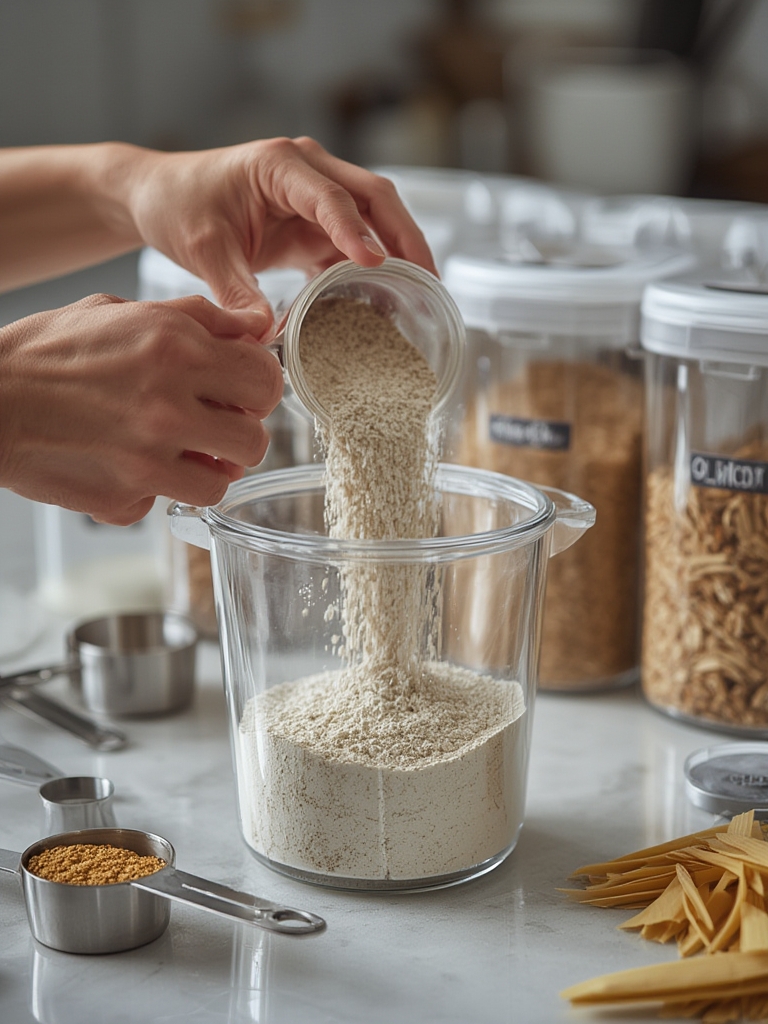
Best Kitchen Storage Containers can make your pantry look organized, keep ingredients fresh longer, and simplify meal prep. But with hundreds of options and materials to choose from—and real concerns about durability, leaks, and food safety—finding the right storage solution can be confusing.
Key Takeaways
- Kitchen storage containers made of plastic and glass dominate the market, but each has unique pros and downsides when it comes to food safety, environmental impact, and functionality.
- New trends include eco-friendly, temperature-resistant designs and a stronger push for containers that keep foods fresher and organized—especially for busy, modern households.
- Understanding certifications, common pitfalls, and maintenance tips is crucial for long-term satisfaction and healthier storage.
- What Makes the Best Kitchen Storage Containers: The Core Concept
- Step-by-Step Guide: How to Choose and Use Kitchen Storage Containers
- Advanced Analysis & Common Pitfalls
- Conclusion
- Frequently Asked Questions
What Makes the Best Kitchen Storage Containers: The Core Concept
Staying organized in the kitchen requires thoughtfully-designed storage containers that keep food fresh and easy to access. The best kitchen storage containers are made from food-safe materials like plastic, glass, or (less commonly) stainless steel. They offer airtight seals, are easy to clean, and come in stackable shapes for efficient stowing. Choosing wisely means balancing price, safety, and functional design because a container that cracks, leaks, or stains easily will quickly lead to frustration.
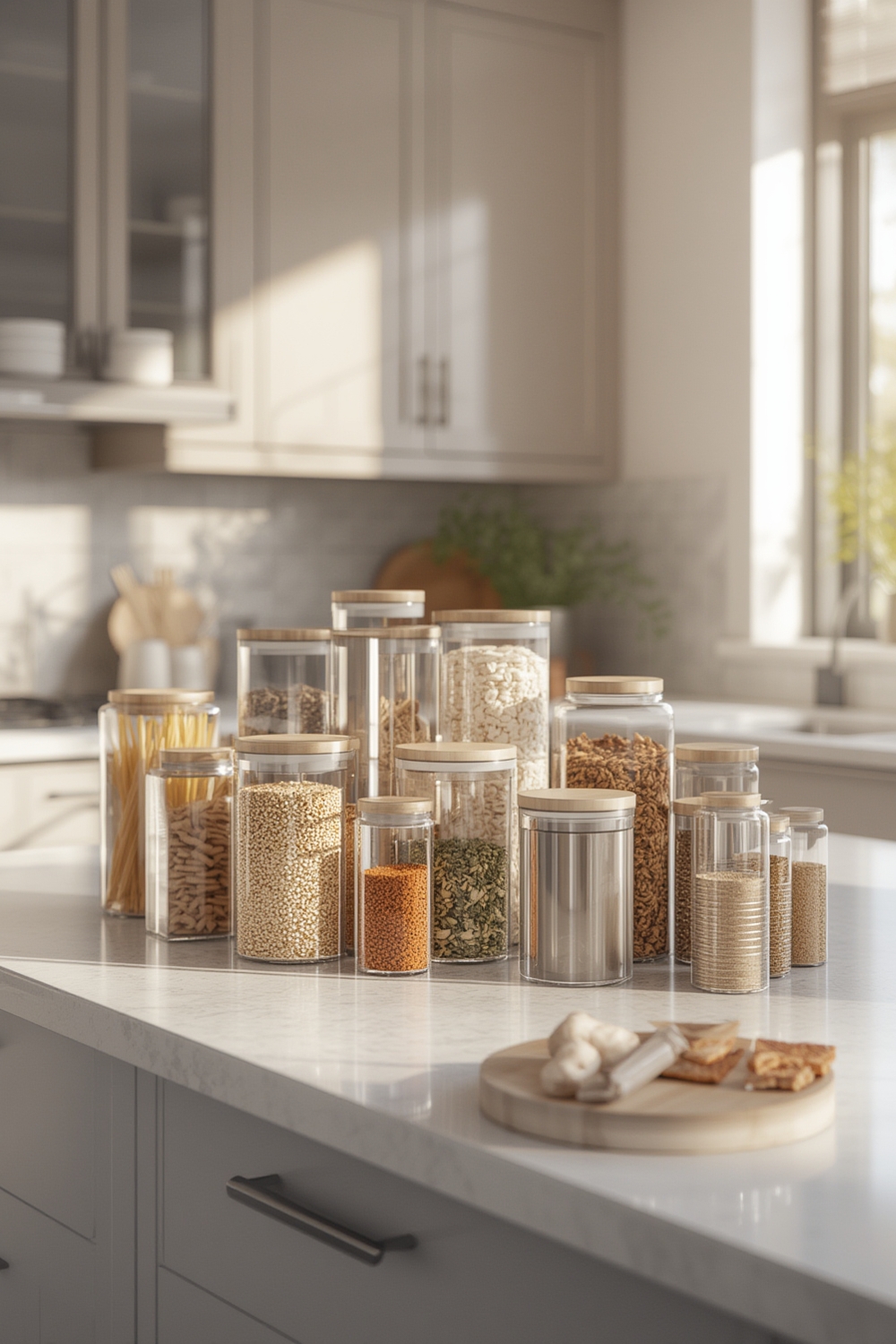
Market research shows the global food storage container market was valued at up to $173.45 billion in 2024, with plastic containers holding a 49.1% market share [source]. Yet, glass is gaining popularity for health benefits, especially in homes concerned about BPA and microplastics. Key drivers in modern kitchens include safer materials, sustainability, high durability, and versatility for everything from dry pantry items to meal prep leftovers.
Understanding these fundamentals will guide you to storage that isn’t just functional today, but lasts and keeps your food safe tomorrow.
Step-by-Step Guide: How to Choose and Use Kitchen Storage Containers
- Determine Your Storage Needs: Take stock of what you store most—grains, pasta, snacks, produce, or leftovers. Consider volume, frequency, and special requirements (such as microwave or freezer use).
- Pick the Right Material: For everyday convenience, lightweight, BPA-free plastic (types 1, 2, 4, 5) provides great value. Glass works well for oven, microwave, and health-focused users, but is heavier. Stainless steel is durable but doesn’t allow you to see contents easily.
- Look for Certificated Food Safety: Select containers labeled food-grade or FDA-approved. Avoid plastics that are not clearly marked as safe; BPA-free and phthalate-free are must-haves for most households.
- Prioritize Airtight and Leakproof Seals: To keep dry goods fresh and prevent spills in the fridge or lunch bag, inspect the lids. Silicone gasket seals and locking latches are best for leak resistance.
- Choose Stackable and Space-Efficient Designs: Modular designs maximize shelf and fridge space. Look for containers that nest within each other to save storage space when not in use.
- Ease of Cleaning: Dishwasher-safe containers make life simpler. Avoid narrow-mouthed jars that are hard to clean by hand, especially for foods like sauerkraut or leftovers that may stain or smell.
- Set a Budget: Premium brands may offer sets with better sealing technology and thicker glass, but quality options exist across ranges. Price often correlates to durability, certification, and design.
- Maintain and Replace as Needed: Even top-quality containers can wear out. Check for stains, cracks, or warping, and replace regularly to maintain food safety.
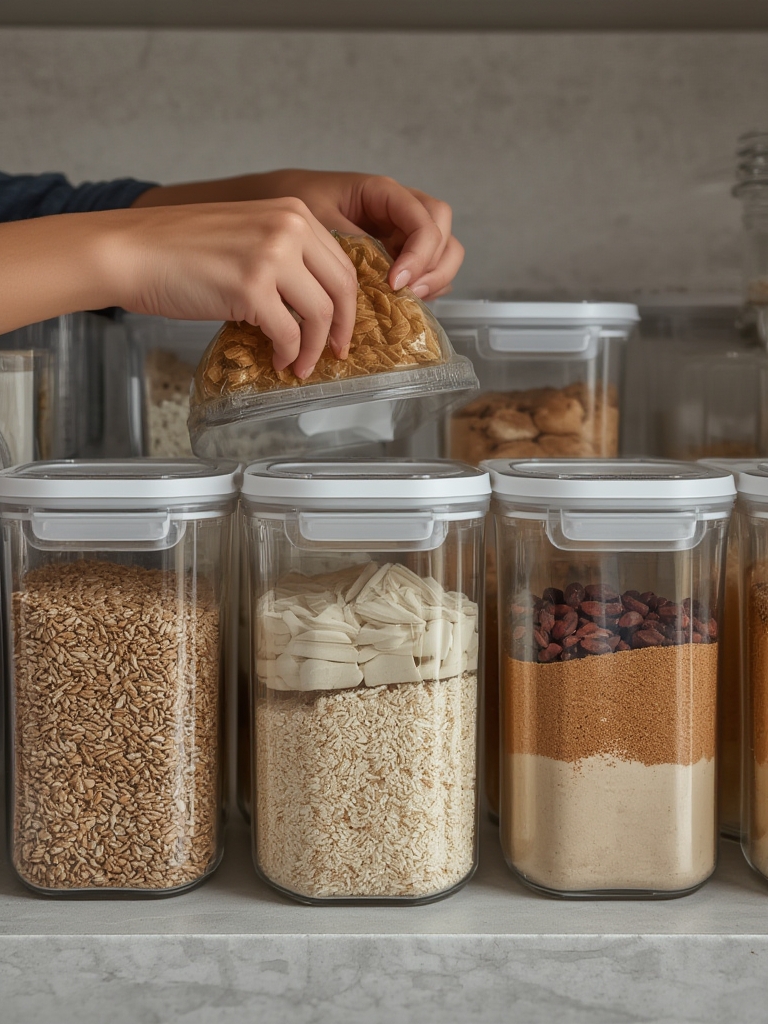
Want more ways to maximize a small kitchen? Check our guide on Best Kitchen Gadgets for Small Kitchens to complement your new containers.
Advanced Analysis & Common Pitfalls
Even the best kitchen storage containers can disappoint if you overlook practical challenges or overpromise on claims like “airtight” or “odor-proof.” Here’s what to watch for—plus a side-by-side material comparison.
| Feature | Plastic | Glass | Stainless Steel |
|---|---|---|---|
| Pros | Lightweight, affordable, versatile, unbreakable, often stackable | Non-reactive, safe at high temps, doesn’t stain or absorb odors | Ultra-durable, rust-proof, doesn’t stain or retain odors |
| Cons | May stain or absorb odors, risk of warping, microplastics, environmental concerns | Heavy, can break on impact, typically more expensive | Opaque (can’t see contents), costlier, sometimes hard to stack |
| Safety Certifications | Look for food-grade, BPA-free, FDA approved | Lead-free, FDA compliant | Grade 304/316, food-safe standards |
| Ease of Cleaning | Dishwasher safe (check label) | Dishwasher safe | Dishwasher safe |
- Warped or loose lids after repeated dishwasher or microwave use can lead to major leaks and spills. Test seals regularly.
- Staining and odor retention, especially in plastic containers after storing tomato sauce, curries, or aromatic foods.
- Shattering or chipping with glass containers, particularly if dropped or exposed to drastic temperature changes.
- Poor stackability can create more clutter instead of less, especially with mismatched sets or containers lacking standardized sizes.
- Uncertified plastics (or cheap imports) may contain BPA or other harmful additives. Always check certifications.
- Mismatched sets over time—missing lids, lost containers—frustrate even the most organized kitchens.
Pro tip: Keep your collection manageable and periodically purge warped, cracked, or lid-less containers.
By being aware of these pitfalls and reading labels and certifications, you can improve both food safety and kitchen efficiency. For whole-home organizing, don’t miss our review of Best Garage Storage Solutions.
Conclusion
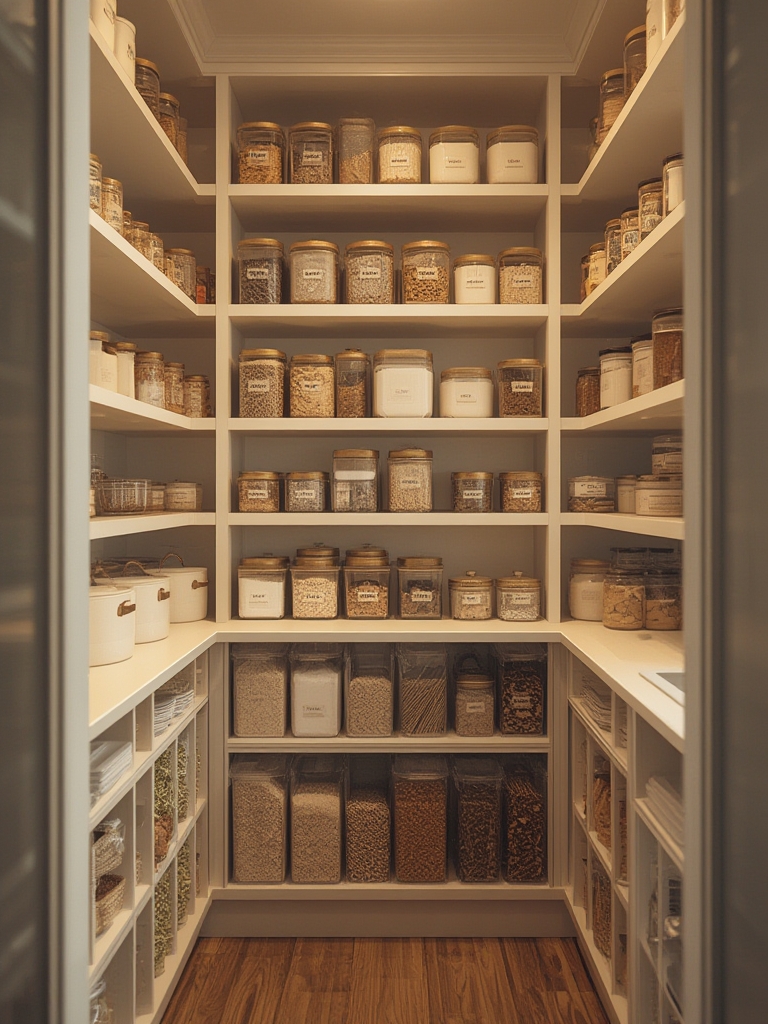
The global boom in food storage containers—from plastic to glass—shows that more households are prioritizing kitchen organization, sustainability, and food safety. Durable, certified, airtight, and easy-to-clean containers pay off in food freshness and peace of mind. When you need a clutter-free and healthier kitchen, use this checklist to pick storage that supports your lifestyle and budget. For even more practical home upgrades, bookmark our guides on Best Robot Vacuums for Home and Best Air Fryers on Amazon.
Ready to bring home the Best Kitchen Storage Containers for your needs? Compare sets, look for certifications, and invest in quality—your kitchen and your health will thank you!
Frequently Asked Questions
Are glass or plastic storage containers better for food safety?
Both can be safe if made from food-grade, BPA-free materials. Glass is non-porous and free from potential chemical leaching, making it a preferred choice for many health-conscious households. However, plastic offers lightweight convenience. Always verify labeling and certifications.
How do I keep plastic containers from staining or smelling?
Avoid storing highly pigmented or oily foods such as tomato sauce in plastic. Clean promptly after use, and periodically soak in a baking soda and water solution. Consider reserving glass containers for strong-smelling or staining foods.
Is it safe to store hot foods in plastic containers?
If the container is labeled as microwave-safe and BPA-free, it is generally safe. However, let food cool slightly before sealing to prevent warping and condensation. For ultimate safety, use glass for hot or acidic foods.
What is the best way to organize kitchen storage containers?
Group by size and function, and store with lids attached if possible to avoid losing matches. Use drawer dividers or shelf bins for separation, and stack containers of the same size to maximize space.
How often should I replace kitchen storage containers?
Replace containers if they show signs of cracks, warping, persistent stains, or lingering odors that cannot be removed—even after deep cleaning. Check for changes to the lid’s seal and fit at least twice a year.