

### Blog Post:
Best Cookware Sets for Home are in high demand, but choosing the right set isn’t just about brand names or flashy sales. Whether you’re equipping your first apartment or upgrading your kitchen arsenal, knowing exactly which cookware sets stand out—and which ones fall short—can save you frustration, money, and time.
Key Takeaways
- Top-rated cookware sets on Amazon in 2024 range from affordable nonstick to premium multi-ply stainless models, with unique strengths and clear weaknesses.
- Stainless steel excels in long-term durability, while nonstick and ceramic sets offer easier cleanup and better food release for everyday use.
- Common issues include nonstick coating wear, heavy premium sets, cleaning challenges, and inconsistent performance with budget options.
- What Makes a Cookware Set the Best for Home Use?
- How to Choose the Best Cookware Set for Your Home: Step-by-Step
- Advanced Analysis & Common Pitfalls
- Conclusion
- Frequently Asked Questions
What Makes a Cookware Set the Best for Home Use?
Cookware sets aren’t all created equal. The “best” set for home use offers stellar heat distribution, fits your cooking style, and doesn’t turn cleanup into a chore. Leading 2024 options on Amazon, like the Hestan NanoBond Stainless, Ninja Foodi NeverStick, Tramontina Tri-Ply Clad, and GreenPan Valencia Pro, all bring something different to the table. Stainless steel gives you unbeatable browning and longevity, nonstick releases eggs and pancakes like a dream, while ceramic scores for quick cleaning and lower-weight pieces.
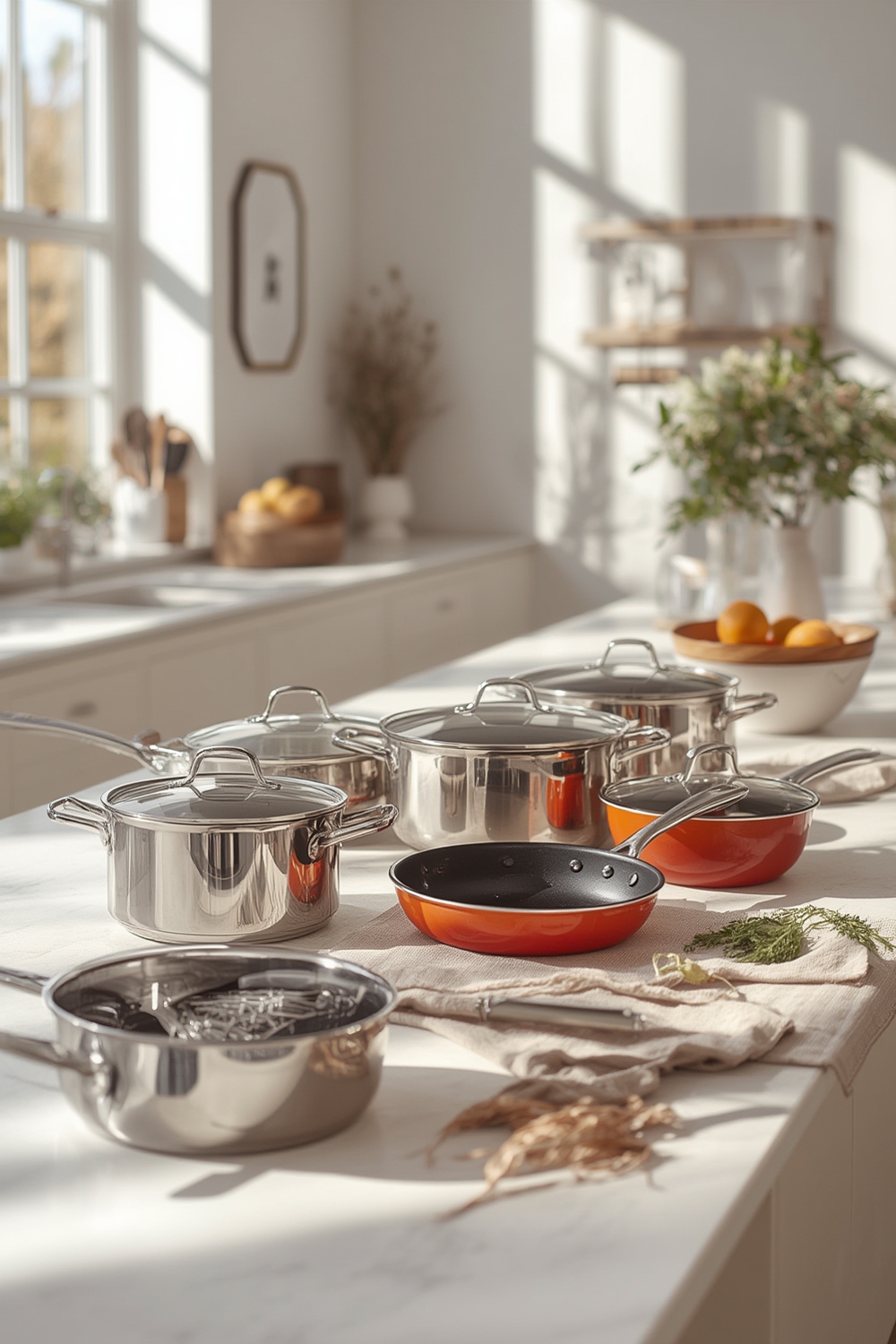
But it’s not just performance: Budget, durability, induction compatibility, oven-safety, and real user experience matter. A set that ticks all the boxes for a chef might frustrate a busy parent or a college student. Reports from Good Housekeeping and Consumer Reports confirm the top picks deliver on core needs—but each has pros and cons you should know before you hit “buy.”
How to Choose the Best Cookware Set for Your Home: Step-by-Step
Shopping for cookware sets can feel overwhelming. Here’s a proven step-by-step approach to help you make the smartest investment—whether you’re replacing a single pan or building your whole kitchen setup from scratch.
-
Define Your Budget
Think in ranges: Under $400 (value sets like Tramontina Tri-Ply, The Cellar 11-piece), $400-$600 (Ninja NeverStick, GreenPan Valencia Pro, Le Creuset), or premium $600+ (Hestan NanoBond, All-Clad D5). More spending usually means better durability and metal quality, but even budget sets can deliver great results for daily cooking.
-
Match Material to Your Cooking Style
- Stainless Steel: Best for browning, searing, and all-purpose use. Look for multi-ply (like All-Clad D5 or Hestan NanoBond).
- Nonstick: Perfect for eggs, pancakes, and easy cleanup. Ninja and Circulon pack performance on a budget.
- Ceramic: GreenPan Valencia and Caraway offer smooth food release, lighter weight, and a modern look. Be wary of scratch risk.
- Enameled Cast Iron: Le Creuset delivers outstanding heat retention. Ideal for slow cooking and oven-to-table.
-
Prioritize Core Features
- Even heat distribution (especially for sauces and searing)
- Sturdy, comfortable handles
- Oven/induction compatibility (aim for 450°F+ for home use)
- Easy cleanup (dishwasher-safe if possible, but hand-wash extends lifespan)
-
Read Customer Reviews & Test Results
Don’t trust marketing alone. Scan Amazon review patterns and expert test data. Premium sets like Hestan and All-Clad win on durability, but bulk and hand-wash needs frustrate some users. Tramontina gets love for value, while GreenPan and Ninja get points for everyday ease.
-
Think Long-Term
Consider warranty, company reputation, and reported durability after a year or more. Stainless steel lasts decades with proper care. Nonstick will eventually need replacing, but quality brands stretch that timeline.
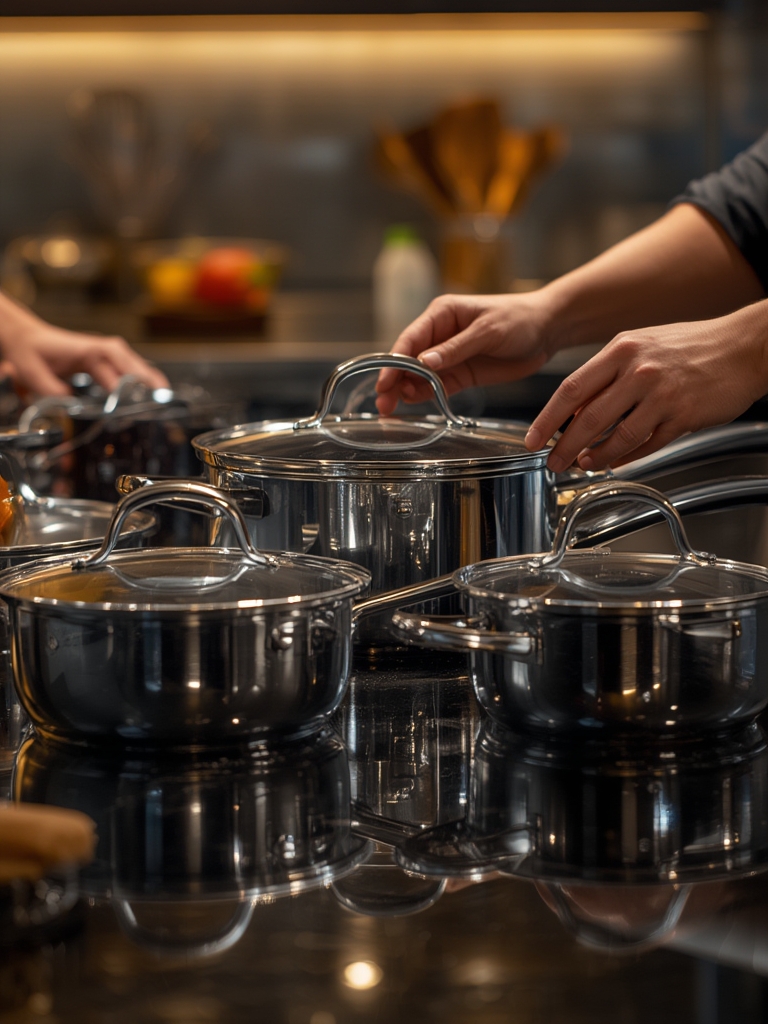
For deeper reviews, see our best stainless steel cookware comparison and nonstick vs. stainless steel cookware guide. Build your setup piece by piece if needed—small upgrades can make a huge impact.
Advanced Analysis & Common Pitfalls
Research shows certain recurring problems—no matter the price point. Here’s what to watch for, plus a brand comparison to help you avoid regret:
| Price Point | Brands/Sets | Key Satisfaction Strengths | Weaknesses |
|---|---|---|---|
| Budget (<$400) | Tramontina Tri-Ply, The Cellar 11-pc, GreenPan Reserve | Even heating, value, easy clean [Source] | Mediocre handle sturdiness [Source] |
| Mid-Range ($400-$600) | Ninja NeverStick, Circulon A1, GreenPan Valencia, Le Creuset | Nonstick durability, lightweight, searing [Source] | Not always dishwasher-safe |
| Premium (>$600) | Hestan NanoBond, All-Clad D5, Fissler Original-Profi | Superior materials, induction/oven-safe to 600°F [Source] | Heavy, pricier, harder clean |
- Nonstick Wear: Even high-end sets lose nonstick quality eventually. Calphalon Premier and Caraway get dinged for mediocre lifespan in tough household use.
- Handle Woes: On cheaper sets (Figmint, The Cellar), handles may loosen or heat up, requiring potholders.
- Cleaning Time: Premium stainless sets (All-Clad, Hestan) are much harder to hand-wash. Busy households should weigh this downside against longevity.
- Limited Oven-Safety: Some nonstick sets can’t go above 400°F, so always read fine print before roasting or finishing in the oven.
- Induction Compatibility: Not all sets work with induction. Confirm before purchasing if needed. See our induction cookware guide for details.
- Missing Certifications: If eco-friendly or toxin-free claims matter, note that most mainstream brands do not list PFAS-free, PFOA-free, or specific safety certifications on Amazon listings.
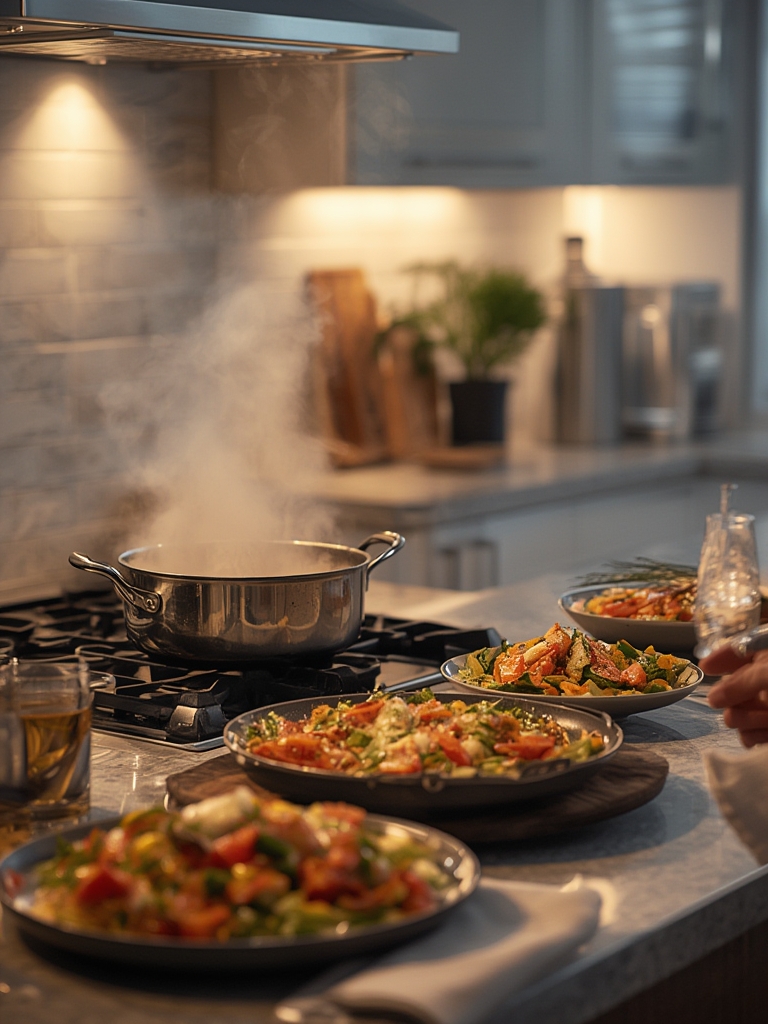
Based on multiple independent tests, sets like Hestan NanoBond excel in heat distribution and cleaning, while Tramontina offers unbeatable value among budget stainless picks. No major recalls or warranty issues reported in the last two years—an advantage for cautious buyers. For more material breakdowns, read stainless vs. ceramic cookware comparisons or explore our nonstick care guide for better longevity.
Conclusion
Today’s cookware landscape is full of choices—each with upsides and trade-offs. Based on research and customer reviews, stainless steel sets like All-Clad and Hestan offer incredible longevity and searing potential, but require more effort to clean. Nonstick and ceramic sets (Ninja, GreenPan) make weekday meals and cleanup easy, but you’ll eventually replace them. Budget options like Tramontina give you big brand performance for less, with only minor handle gripes.
Ready to make a change? Start by listing your must-haves, matching the set to your cuisine and kitchen, and don’t be afraid to buy in stages. Best Cookware Sets for Home can transform your cooking—when you match the right product to your real habits. See our full price-tier roundups or check out kitchen essentials guides for more smart picks.
Action step: Choose your top set and upgrade one piece this month. You’ll taste the difference at your very next meal.
Frequently Asked Questions
What is the most durable cookware set material for home kitchens?
Fully clad stainless steel (like All-Clad D5, Hestan NanoBond) is widely considered the most durable for home use. These multi-layered sets resist warping, work on all cooktops (including induction), and last for decades with proper care.
How often should you replace nonstick cookware sets?
Most nonstick sets should be replaced every 2–5 years based on use and visible wear. To maximize lifespan, avoid high heat, use soft utensils, and hand wash when possible.
Do ceramic cookware sets actually last as long as stainless or standard nonstick?
No. Ceramic sets (like GreenPan) typically offer great release and light weight, but start losing nonstick performance within 1–3 years. Stainless outlasts both, but is less forgiving with sticky foods.
What are common indicators of poor cookware quality?
Loose handles, lightweight bases that warp easily, uneven heat spots (burning or cold patches), and rapid nonstick loss are common signs. Check reviews for repeated complaints before buying.
Are expensive cookware sets worth it for home cooks?
If you cook often, premium sets can pay off with better heat distribution and longevity. However, many value sets (like Tramontina Tri-Ply) offer 80% of the performance for a fraction of the cost, making them ideal for most households.