

Best Coffee Makers for Home Use are more advanced and accessible than ever in 2024. Whether your goal is finding a smart brewer, an affordable drip coffee machine, or a barista-level espresso setup, making the right choice can transform your mornings and save money over store-bought coffee.
Key Takeaways
- The US home coffee maker market is booming, led by single-serve pod machines, drip brewers, and smart/IoT integration.
- Most user complaints revolve around high upfront costs, environmental concerns with pods, and cleaning challenges.
- Programmable features, brew capacity, and company market control make a major difference in reliability and satisfaction.
- Understanding the Best Coffee Makers for Home Use
- How to Choose and Set Up the Right Home Coffee Maker
- Pitfalls, Problems, and Market Insights
- Conclusion
- FAQ
Understanding the Best Coffee Makers for Home Use
The best coffee makers for home use go beyond just brewing a cup — they match your taste, space, and lifestyle. In 2024, Americans are embracing single-serve pod machines for instant, personalized drinks, fueling more than half the market revenue. Drip coffee makers remain popular for batch brewing, while premium espresso machines are bringing café-quality drinks into the kitchen. Technologies like smart home integration and eco-friendly designs are becoming the new standard across all price ranges.
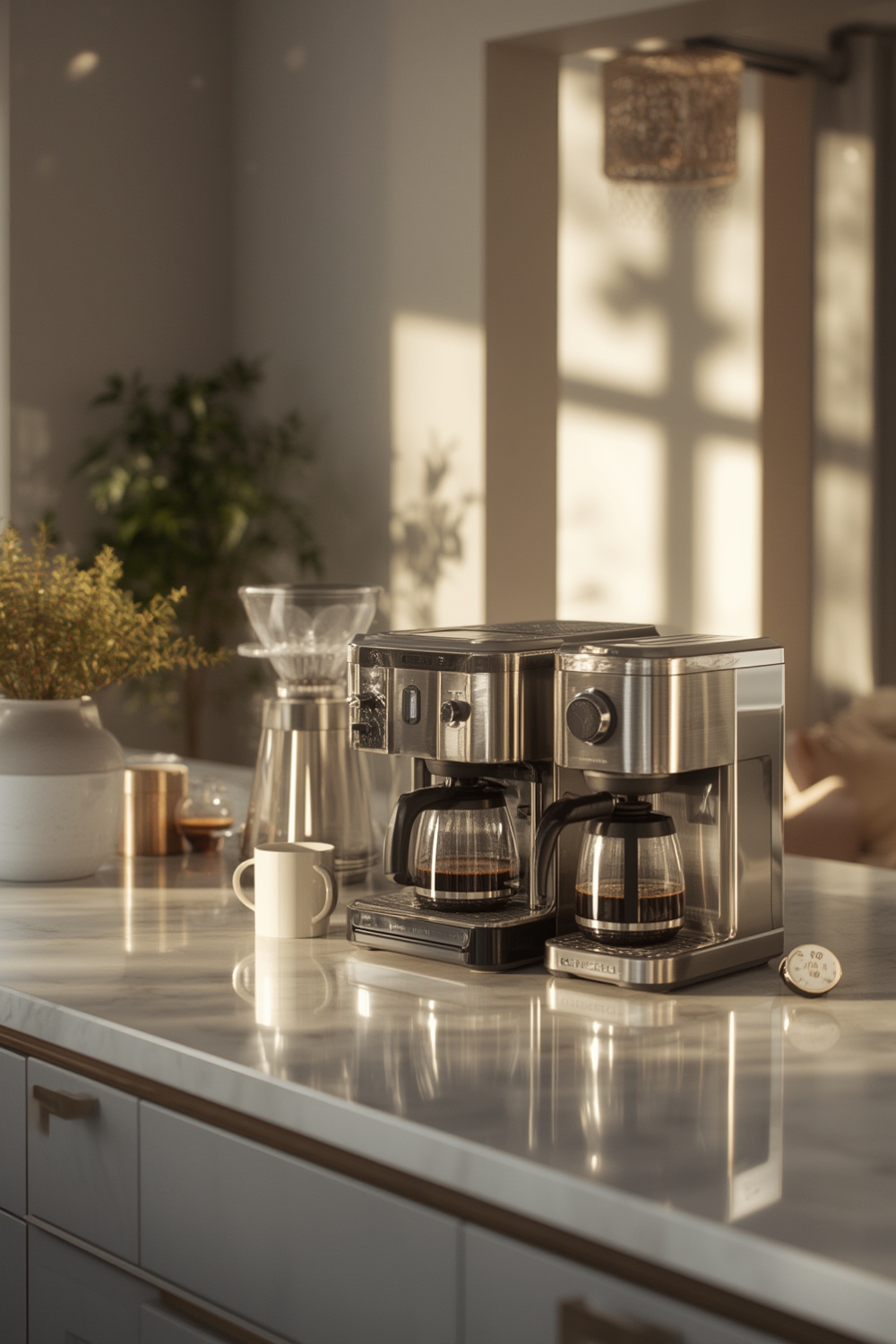
Trends show that programmable features, customizable settings, and easy cleaning are now must-haves. However, high prices for top models and the environmental impact of single-use pods are growing concerns. Still, the overall shift toward home coffee making is strong as users value control, convenience, and long-term savings.
For a deeper look at coffee equipment and how user preferences are evolving, check out our guide to single-serve coffee machines and coffee grinder buying guide.
How to Choose and Set Up the Right Home Coffee Maker
Buying a coffee maker for home use is easier if you break it down into key decisions and follow clear setup steps:
- Assess Your Needs: Start by thinking about how many people drink coffee in your household. Are you brewing for one, a couple, or a larger group? Do you need quick single-serve convenience, or are you looking for a larger 5-to-10-cup machine? Match your expected daily use with residential brewer capacity data: 48% of 2025 sales are in the 5-10 cup range (source).
- Choose Your Brewing Method: Drip, pod/capsule, espresso, and even French press options appeal to different tastes and routines. Automatic drip coffee makers are found in three-quarters of US homes (source), while pod and capsule machines own the convenience market.
- Consider Features: Look for programmable timers, custom brew strength, smart home compatibility, and water reservoir flexibility. For advanced tech, check out models with IoT controls and remote scheduling. See our rundown of smart kitchen gadgets for more details.
- Review Brand and Warranty: Stick with market leaders like Keurig, Nespresso, De’Longhi, Hamilton Beach, Breville, and SharkNinja, who control nearly half the US value share (source).
- Evaluate Ease of Cleaning: Removable water tanks, self-cleaning cycles, and fewer crevices can save time and reduce mold risk. For details, review our how to clean coffee makers resource.
- Set Up Properly: Rinse and prime the system before first use, use filtered water, calibrate settings for preferred strength, and test the brew cycle.
Automatic drip makers in the 500–1000 watt range deliver reliability for most households. Single-serve pod machines win on speed, making them a fit for busy mornings or small apartments. Smart machines can automate brewing routines and track usage for consistent results, especially with at-home espresso makers.
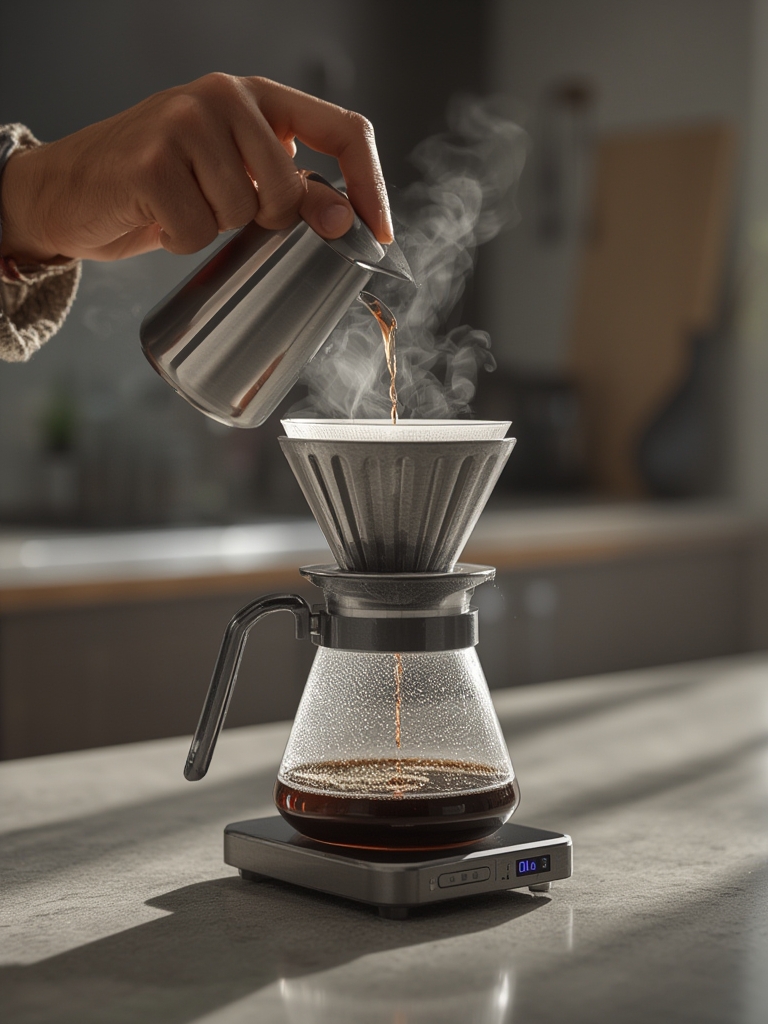
Upgrading to barista-style machines like De’Longhi can bring premium results, but expect a learning curve and more upkeep. For eco-friendly alternatives, consider energy-efficient models and reusable pods to minimize waste.
Pitfalls, Problems, and Market Insights
While modern coffee makers offer great features, real-life reports and market data reveal several pitfalls and challenges worth considering:
- High Upfront Cost: Premium pod machines and smart espresso setups can be several hundred dollars. Some buyers regret the initial investment if they don’t use specialty features regularly.
- Environmental Impact: Single-use pods are a big pain point for sustainability—users cite pod waste and cartridge disposal as a deterrent. Opt for machines compatible with reusable pods when possible.
- Cleaning Hassles: Many models have tricky components or crevices that trap grounds and moisture, requiring frequent maintenance.
- Reliability & Warranty Coverage: Market data shows leading companies (Keurig, Nespresso, etc.) dominate not only in satisfaction but also in after-sales support—so budget brands may leave you stranded if issues arise.
- Convenience vs. Taste: Pod machines are fastest, but “real” coffee enthusiasts sometimes note flavor trade-offs compared to drip or espresso methods.
- Feature Overload: Smart/IoT features and advanced settings can make some machines “over-complicated” for users who just want to brew a regular cup daily.
- Ready-to-Drink (RTD) Competition: The rise of bottled, grab-and-go coffee is drawing away some users who find brewing or cleaning at home too time-consuming.
| Type | Taste | Speed | Convenience | Long-Term Durability |
|---|---|---|---|---|
| Pod/Capsule | Consistent, but sometimes less nuanced flavor | Very fast (under 2 minutes) | Top (54.10% US share) | Good, but may rely on proprietary tech |
| Automatic Drip | Consistently good | Moderate (5–10 minutes/batch) | Very easy; batch brew aligns with US consumer needs | Excellent with reputable brands |
| Espresso | Best for specialty drinks | Slower prep, but fast shots | More skill and cleaning required | High if maintained; higher price |
| French Press | Rich, heavy-bodied | Slowest (hands-on) | Simple design, minimal parts | Very robust if glass/steel |
For deeper troubleshooting, visit our coffee maker troubleshooting guide.
Conclusion
Choosing among the best coffee makers for home use requires comparing brew methods, smart features, cleaning design, and market-leading brands. Look past marketing and focus on convenience, technical specs, and total cost of ownership.
If you’re ready to transform your coffee experience, review your household’s needs and browse our drip coffee maker recommendations and coffee accessory essentials now!
FAQ
Which type of coffee maker is best for most households?
Drip coffee makers with 5–10 cup capacity suit most families, providing consistent quality and batch brewing that matches daily routines.
Are pod coffee makers bad for the environment?
Single-use pods do create more waste. Look for models that are compatible with reusable or compostable pods to lower your impact.
What new features should I look for in 2024?
Smart controls, programmable timers, energy efficiency, and support for both batch and single-cup brewing are key. IoT integration is growing.
How can I keep my home coffee maker clean and fresh?
Rinse removable parts daily and run a descaling cycle monthly (or as recommended). Always empty and clean the water tank between uses.
What is the price range for top-rated machines in 2024?
Market data does not detail exact price tiers, but expect quality pod or drip machines from $80–$300, and barista-grade espresso setups $400 and above.