

Montessori Floor Bed setups have rapidly gained attention among modern parents seeking to encourage their child’s independence, but success with this method depends on practical planning and an honest look at both the benefits and common frustrations.
Key Takeaways
- The Montessori floor bed market is expanding, driven by parental interest in independence and minimalist design.
- Cost, sizing, and practical room layout are chief concerns for families considering a Montessori bed.
- Real-world challenges include limited safety data, unclear age guidelines, and logistical setup headaches—research before you buy.
The Core Concept
A Montessori floor bed is a mattress placed directly on, or just above, the floor—no high rails or frames—designed to nurture a child’s independence from infancy or toddlerhood. The philosophy: give kids safe freedom of movement and let them control getting in and out of bed, boosting autonomy and confidence. Many parents appreciate the simplicity and child-centered ideology, but transitioning takes planning.
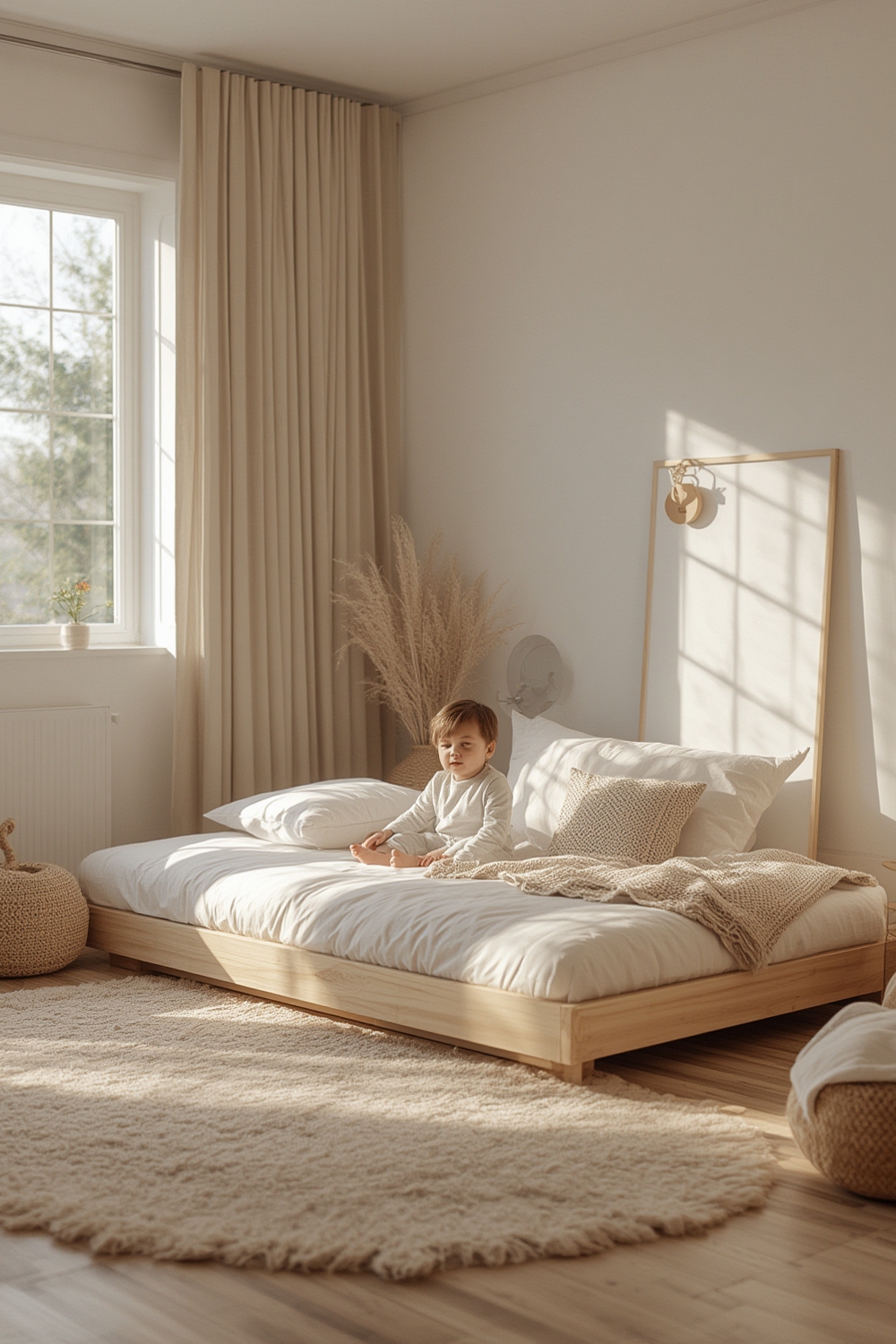
This approach has grown in popularity, with recent research showing the market for Montessori floor beds could hit $2.2 billion by 2033 and a global valuation of up to $594.8 million by 2025. That growth is fueled by increased online shopping, social inspiration on platforms like Instagram and Pinterest, and a broader emphasis on sustainable home products for children.
Still, Montessori beds are not universally understood. Many parents are unsure about suitable ages, appropriate safety measures, or how these beds compare in daily use to traditional toddler beds and cribs. When choosing between the two, consider factors like room size, your child’s mobility, family sleeping routines, and how much supervision you’re comfortable with overnight.
If you’re drawn to minimalist living and want to support early autonomy, a Montessori floor bed can be an excellent fit. For other practical home upgrades, see our guides on optimizing garage storage solutions and kitchen container organization.
Step-by-Step Guide
Ready to set up a Montessori floor bed? Here’s a practical plan that avoids common mistakes and gets your child sleeping safely and happily in their new sleeping space.
-
Choose the Right Bed Size and Style:
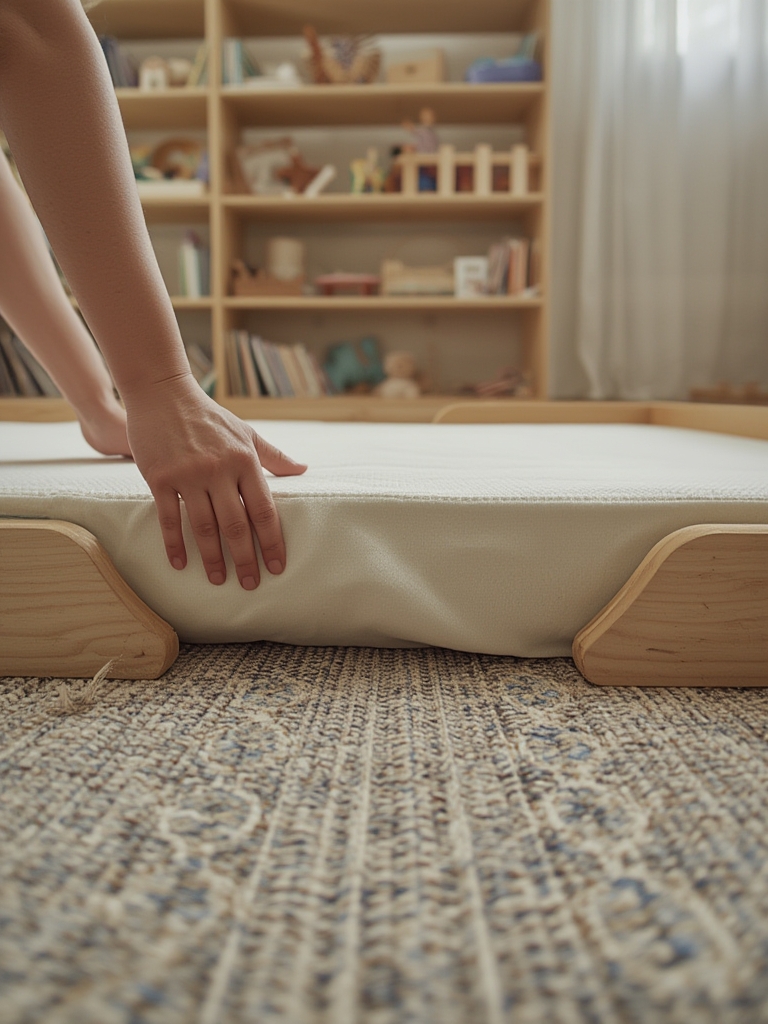
- There are single and double bed designs, with most families starting with a toddler or twin-size mattress. Check that your mattress fits snugly within the frame or against the wall to prevent dangerous gaps (source).
- Wood is the most common material—look for beds made from Baltic birch or similar sturdy, low-emission woods (see technical details).
-
Assess Age and Readiness:
- Most resources recommend starting around 12-18 months, but this depends on your child’s ability to move safely in and out of bed. The lack of definitive pediatric safety guidance means it’s crucial for parents to monitor for signs of readiness.
-
Prepare the Room:
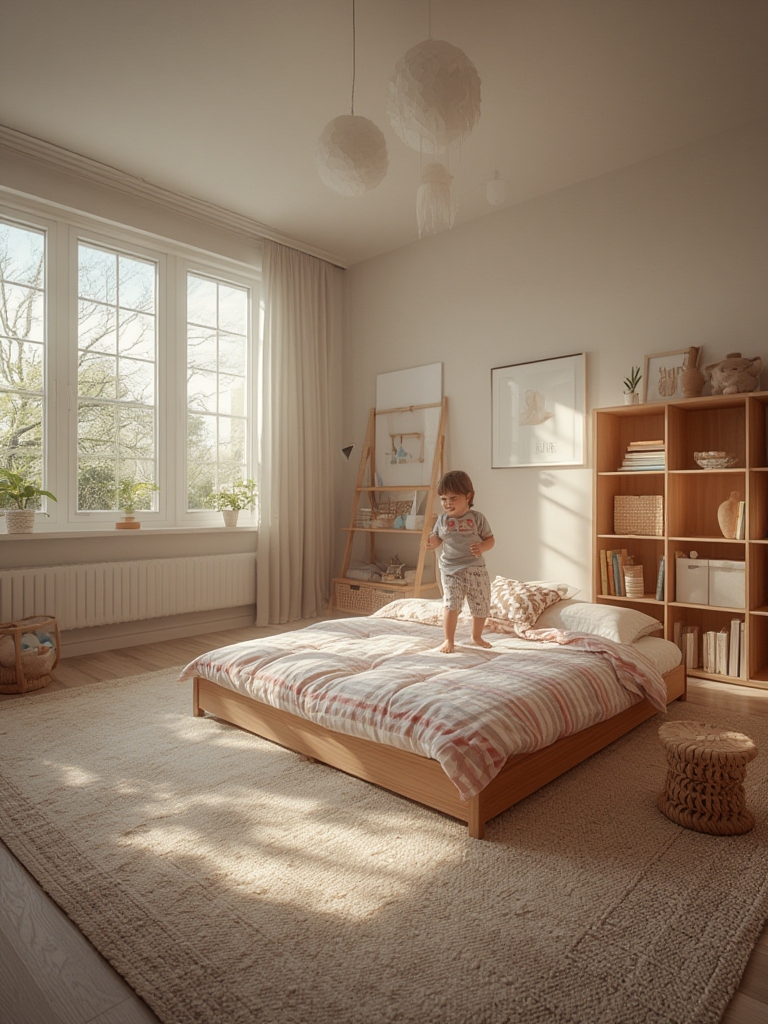
- Childproof the entire room as your toddler can now access everything at floor level—secure furniture, cover outlets, and remove hazards.
- This is also a great time to add low, accessible shelves for books and toys following Montessori principles.
-
Lay the Mattress:
- Place the mattress directly on the floor, or use a slatted, low-frame bed (no higher than 6-7 inches). Beds marketed as Montessori are often GREENGUARD Gold certified, so ask for proof if indoor air quality is a concern (reference).
- Test for stability and ensure there is no bowing or wobble—the frame should support adult weight for bedtime stories, ideally up to 300-450 lbs if possible.
-
Transitioning and Sleep Training:
- Introduce the new bed gradually—let your child play on it, read books, and nap before attempting overnight sleep. Use positive reinforcement and expect adjustment time.
- If your child climbs out repeatedly, try baby gates at the door or use room monitors for your peace of mind.
-
Maintenance and Upkeep:
- Vacuum or sweep beneath the floor bed weekly. Rotate and air the mattress every month to prevent moisture build-up or mold, especially on non-ventilated floors.
Remember, comparison shopping helps—the “floor bed” label covers a wide price and quality range. Some boutique frames are expensive, but you’ll find budget-friendly alternatives online. Want more home and parenting upgrades? See our tips for choosing the best pillows for neck pain or getting a robot vacuum that automates cleaning.
Advanced Analysis & Common Pitfalls
Even as Montessori floor beds earn rave reviews on social media, real-world use can be more complicated. Here’s a breakdown of actual problems and how these beds stack up against standard options.
| Feature | Montessori Floor Bed | Conventional Toddler Bed |
|---|---|---|
| Entry/Exit | Child can get in/out independently | Rails/barriers restrict movement |
| Safety Data | Little peer-reviewed research; some GREENGUARD certifications | Clear standards; CPSC guidelines |
| Parent Supervision | Room must be fully childproofed | Less need for room-wide safety measures |
| Transition Ease | Some toddlers resist at first; requires patience | Familiar rails may ease the move from crib |
| Cost | Often higher upfront; DIY/budget versions available | Usually lower; mass-market availability |
| Customer Support | Brand-dependent; longer shipping times for specialty beds | Widespread retail support |
- Cost Concerns: Floor beds usually cost more upfront than mainstream toddler beds, and not all are easy to assemble. DIY options can fail to meet key safety measures, so read specs and reviews carefully (source).
- Safety Uncertainties: There are no universal regulations or pediatric guidelines for floor bed safety. While some products offer GREENGUARD Gold Certification for low emissions, most lack CPSC or major safety approvals.
- Space Requirements: Full room childproofing is essential as your toddler has free access. Small rooms may make safety and access challenging.
- Transition Struggles: Some kids take to the bed instantly, others need weeks of routine. Sleep interruptions may increase at first, so manage expectations and introduce the bed gradually. For reducing sleep fuss after transition, consider combining it with quality sleep accessories. (Curious about sleep ergonomics? Review our neck pain pillow guide.)
- Logistics and Warranty: Shipping and assembly can be daunting, especially for imported or custom beds. Check return policies before buying. If maximizing room space is vital, learn to organize your home for kids’ needs too.
Conclusion
A Montessori floor bed can be an impactful and meaningful choice for your child’s early development—provided you plan ahead, childproof thoroughly, and accept a short transition period. While there’s little official safety guidance, many families find that the emphasis on independence and free movement outweighs the hurdles, especially when combined with a well-optimized, thoughtfully organized space.
If you’re weighing options, compare costs and safety features carefully, read independent reviews, and keep your family’s routines and home size in mind. The Montessori floor bed is not a miracle solution, but with smart preparation, it’s a worthy update for modern, autonomy-minded families.
Ready to start your Montessori journey? Choose a floor bed that fits your needs, childproof your space, and enjoy the new adventure in independent sleep!
FAQ Section
What age is best to start with a Montessori floor bed?
Most parents transition their child between 12 and 18 months, but readiness depends on individual mobility and sleep habits. Always supervise closely at first.
Are Montessori floor beds safe?
They can be safe if you remove hazards, install outlet covers, and ensure the bed fits the mattress snugly. Formal safety certifications are rare, so parental diligence is key.
What should I look for when buying a Montessori floor bed?
Check the material (birch or solid wood), non-toxic finishes, mattress compatibility, and weight limit. Certified low-emission beds (like GREENGUARD Gold) are ideal for air quality.
How can I keep my toddler from leaving the floor bed at night?
Use a baby gate across the door or monitor your child with a camera. Set clear bedtime routines and expect some adjustment time as your child tests newfound freedom.
Are Montessori floor beds expensive?
They often cost more than basic toddler beds but a wide price range exists, from simple DIY frames to designer models. Compare online for budget options.