

Curved Furniture is changing the way we think about comfort, flow, and style in our homes and public spaces. Instead of flat surfaces and sharp corners, more people are gravitating to organic shapes that feel safer and more inviting. This realistic guide covers the real pros, the common challenges, and smart decisions you can make about bringing curved furniture into your life.
Key Takeaways
- Curved furniture boosts ergonomic comfort, improves safety, and brings a calming, biophilic effect to interiors.
- Common challenges include fitting curvy pieces in rectangular rooms, balancing price, and maintaining structure.
- Sustainability, accessibility, and psychological benefits are often overlooked, but they set curved designs apart.
- The Core Concept of Curved Furniture
- Step-by-Step Guide: Choosing and Incorporating Curved Furniture
- Advanced Analysis & Common Pitfalls
- Conclusion
- FAQ: Curved Furniture
The Core Concept of Curved Furniture
Curved furniture refers to seating, tables, storage, and decorative pieces designed with smooth, flowing lines and rounded edges. This design trend—sometimes called biomorphic furniture—is inspired by shapes found in nature, such as the curve of a river stone or a leaf. Its popularity is a departure from hard, angular furniture, making spaces feel softer and more comfortable.
The value in curved furniture comes from five characteristics:
- Ergonomics and Comfort: curved chairs and sofas conform to the body for natural support, making it ideal for homes, healthcare, and hospitality environments. Sofas with radius edges or channeled curves cradle the body.
- Safety: Rounded edges reduce the risk of injury—especially important for homes with children or seniors, or in high-traffic public spaces.
- Flow and Flexibility: Curved items promote smoother movement and visual flow throughout a room, making multi-use spaces feel less cluttered and more dynamic.
- Emotional/Psychological Appeal: Soft curves are associated with relaxation and safety, linked to positive reactions in our brains due to their resemblance to objects in nature. This emotional effect can benefit homes and even healthcare settings, making users feel less anxious.
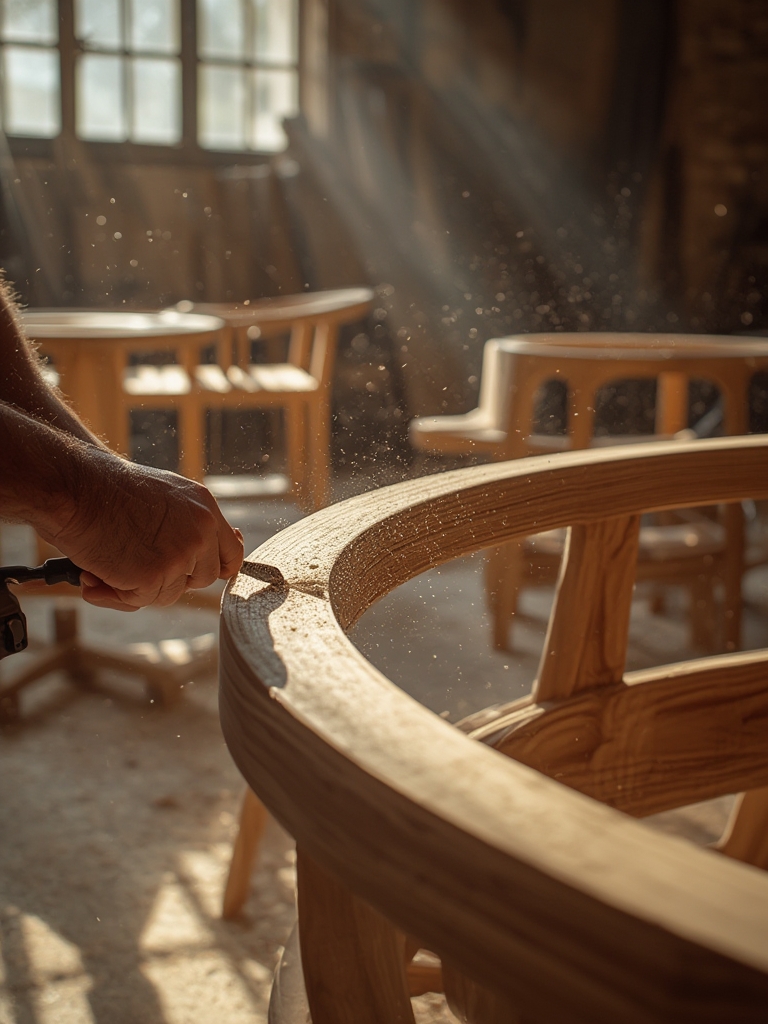
- Sustainability: Many modern curved designs use eco-conscious materials like sustainable foams, ethically sourced wood, cork, and natural fibers.
While many blogs focus on style, the biggest value of these pieces lies in how they impact your daily experience—comfort, safety, and a deeper sense of calm.
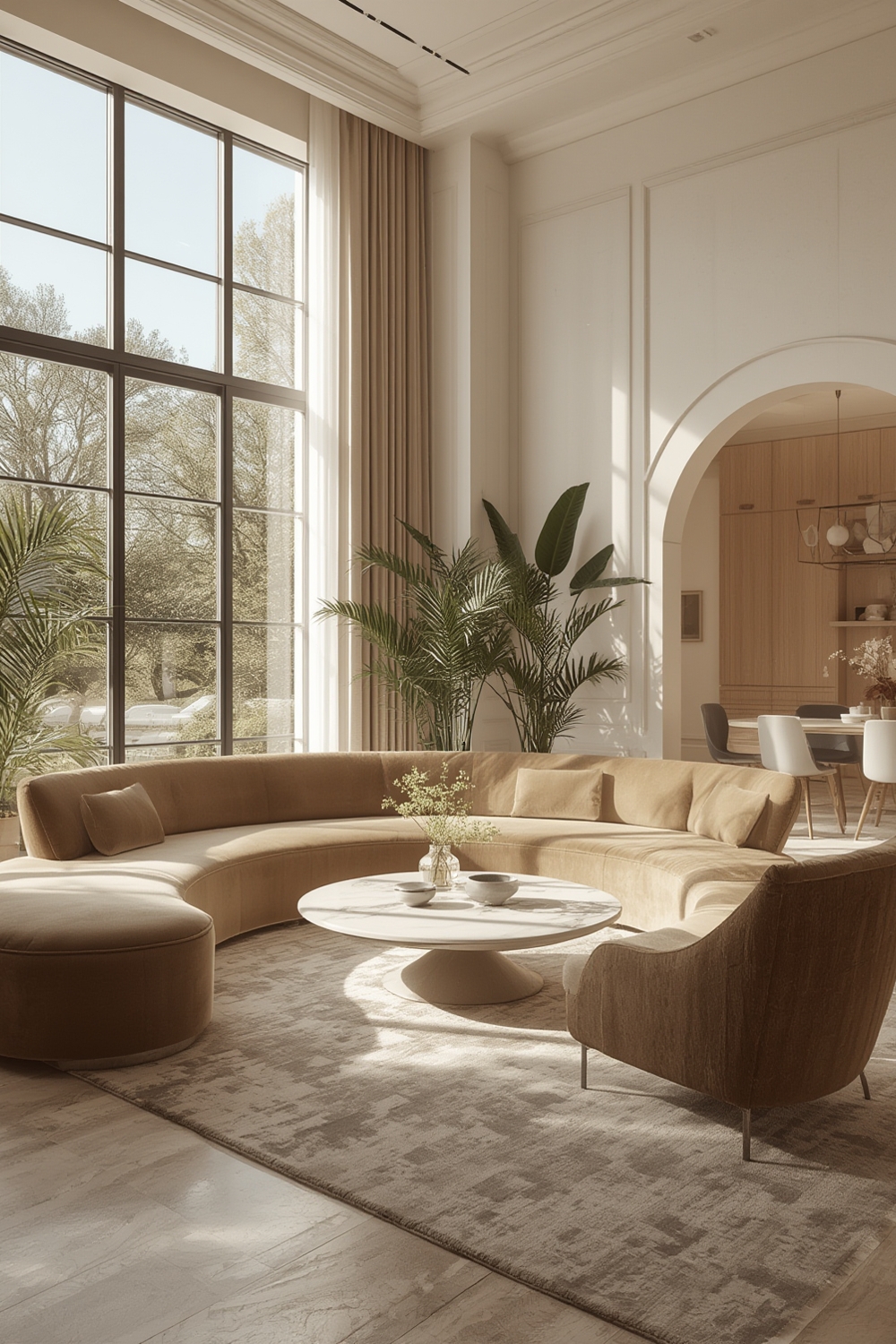
Step-by-Step Guide: Choosing and Incorporating Curved Furniture
-
Assess Your Space and Function Needs
Start by measuring your actual room and noting foot traffic routes. Curved furniture takes up space differently than square or rectangular pieces—often wider, with organic shapes that may require more clearance for walking and visual balance.
-
Prioritize Comfort and Ergonomics
Try curved chairs and sofas before buying or check manufacturer details for lumbar support and foam density. Look for radius seat depth (such as 680mm) for proper comfort and plush, high-resilience seat filling.
-
Choose Materials with Safety and Sustainability in Mind
Seek out furniture made from sustainably sourced wood, eco-friendly foams, cork, or woven rattan. For a comprehensive approach, reference industry guides on sustainable design.
-
Balance With Straight Edges
While curves add comfort and softness, too many can make a room feel overly whimsical or lacking in structure. Pair curved sofas or chairs with straight-edged tables or cabinets for a harmonious effect.
-
Factor Accessibility and Safety
Rounded edges can make spaces safer for children, the elderly, and those with mobility challenges. Look for pieces that minimize sharp angles, enabling easier movement and reducing accident risk. This principle also applies to kitchen and patio furniture as you redesign accessible spaces—see outdoor furniture sets for more ideas.
-
Plan for Cleaning and Maintenance
Curved surfaces may require specific cleaning tools—like flexible brushes—to reach inside arcs and tufted seat channels. Make sure to check the manufacturer’s care guidelines.
-
Consider Flow and Placement
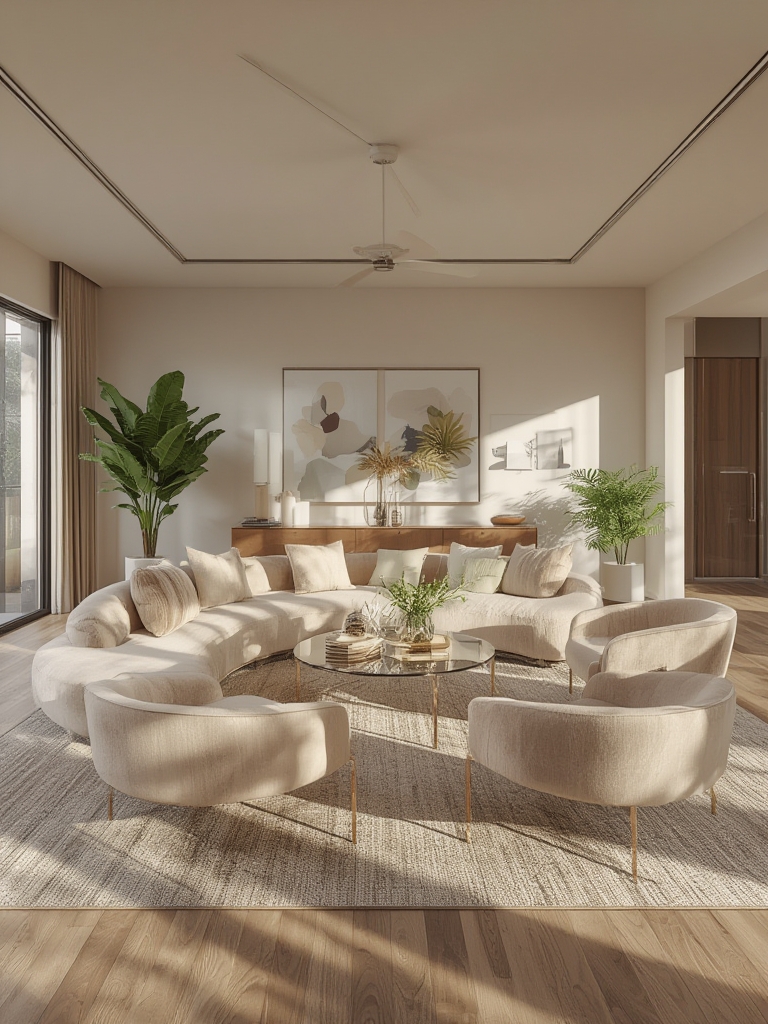
Curved sectionals and kidney-shaped tables can help promote conversation and movement, but may overwhelm small rooms. Place the largest pieces first, then fill in with accent furniture that complements the curves.
If you’re working on multipurpose spaces, remember: curved furniture isn’t limited to living rooms. Rounded-edge desks and kidney-shaped tables boost both safety and creativity in home offices or entryways. If you’re looking to pair organization with modern design, check out our guide to maximizing garage storage with smart solutions.
Advanced Analysis & Common Pitfalls
While curved furniture provides many benefits, it’s not without drawbacks. Here are the top concerns—and practical solutions:
Common Pitfalls
- Spatial Fit: Curved profiles take up more floor area than boxy furniture and can be difficult to tuck flush against walls, especially in smaller rooms.
- Balance and Function: Overuse of curves without any straight-edged items may make a space look unanchored or chaotic. Structure and function suffer in work or learning environments.
- Cost: Curved designs sometimes cost more due to complex manufacturing and shaping of materials. Pricing data is limited, but sustainable foams and artisan methods often add to the expense.
- Cleaning Challenges: Cleaning around curves and in tufted or barrel-back details may require more effort and special tools.
- Limited Storage: Most curved or biomorphic pieces—such as sofas, benches, and tables—rarely maximize storage compared to modular, rectangular units.
| Feature | Curved Furniture | Traditional Furniture |
|---|---|---|
| Space Efficiency | Often requires more open area; less efficient against straight walls | Fits flush against walls and in corners |
| Ergonomics | Better lumbar support, reduces injury risk | Standard support, more sharp corners |
| Cleaning | May need flexible tools for crevices | Easier straight-line cleaning |
| Price | Potentially higher due to materials and shaping | Usually lower for basic designs |
| Psychological Impact | Promotes relaxation and safety | Neutral or utilitarian |
According to industry sources, designers recommend balancing organic forms with enough straight lines to avoid a lack of structure [read more]. For more insights into luxury and future trends, see the latest research on quiet luxury and curves.
Finally, durability is comparable if you select high-quality, sustainably constructed pieces—though there’s limited public data differentiating lifespan between curved and standard furniture types [source]. Regular maintenance and use of the correct cleaning tools preserve their look long-term.
Conclusion
Bringing curved furniture into your home or workspace can transform its comfort, safety, and mood. While these pieces offer unique ergonomic and psychological advantages, consider their spatial demands and maintenance needs before making the switch. With a thoughtful approach, you can balance beauty and utility—whether you’re adding a single accent chair or a full sectional. Invest in quality, sustainable materials for long-term satisfaction, and anchor your space with both curves and clean lines.
Ready to upgrade? Shop for trusted pieces and discover more tips in our guides to outdoor furniture, kitchen storage solutions, and even the best air fryers on Amazon.
Ultimately, Curved Furniture is about creating spaces that feel as good as they look—so make choices that fit your needs, your budget, and your style.
FAQ: Curved Furniture
Why is curved furniture considered safer than traditional designs?
Curved furniture eliminates sharp edges, reducing the risk of accidental injuries—especially in households with children, seniors, or people with limited mobility.
Is it difficult to clean curved or biomorphic furniture?
Cleaning can be more involved in tufted or rounded forms, but using flexible brushes or upholstery attachments helps reach tricky spots and maintain the shape. Always follow the care instructions provided by the manufacturer.
Does curved furniture take up more space than standard pieces?
Generally, yes. Organic profiles often require more open space and may not fit flush against walls like traditional furnishings. Measure carefully before buying.
Are curved pieces more expensive?
They can be. Complex manufacturing, custom shaping, and sustainable materials may raise the price. Shop around and consider long-term durability as part of your investment.
How do I incorporate curved furniture without overwhelming my décor?
Start with a single statement piece—a curved sofa or accent chair—and balance it with straight-edged items like tables, bookshelves, or cabinets for structure.