

Best Pillows for Neck Pain are a game-changer if you wake up stiff, sore, or struggling with stubborn neck tension. The right pillow can mean the difference between tossing and turning and finally waking up pain-free—but not every “neck pillow” lives up to the promise.
Key Takeaways
- No new clinical evidence (2023-2024) proves one pillow type is medically superior for neck pain, but design and fit matter.
- Common complaints include overly thick or firm pillows and poor suitability for some sleep positions.
- Expect to pay $40 to $135 for high-quality neck support pillows—be wary of scam brands and exaggerated claims.
- What Makes a Pillow Help Neck Pain?
- How to Choose the Best Pillow for Neck Pain (Practical Guide)
- Advanced Analysis & Common Pitfalls
- Conclusion
- Frequently Asked Questions
What Makes a Pillow Help Neck Pain?
The promise of a “neck support” pillow is relief from pain by helping your head, neck, and shoulders align as you sleep. The idea is simple: a pillow that matches your body shape and sleep habits will ease pressure, reduce awkward curves, and stop morning stiffness.

But not all pillows are created equal. As detailed in this recent review, what makes a pillow truly effective comes down to a few concrete factors:
- Support Level: Too thick and your neck crooks uncomfortably forward. Too flat or soft, and your head sags out of alignment.
- Contour Shape: contoured cervical pillows often use raised edges or ergonomic curves to cradle the neck.
- Materials: Premium options use memory foam, Tempur material, or hybrid gels offering both support and pressure relief.
- Adjustability: The best pillows allow you to fine-tune loft or firmness by size or inserts.
The bottom line? There is no “one size fits all,” and medical studies as of 2024 have not endorsed any one pillow over another. Success is about matching your pillow to your personal sleep position and body structure. For a deep dive into how pillow materials and engineering work, check our Pillow Materials Comparison Guide.
How to Choose the Best Pillow for Neck Pain (Practical Guide)
Use these clear, actionable steps to narrow your search. This approach will help you avoid common traps and find a pillow that genuinely helps your neck without wasted money.
- Identify Your Primary Sleep Position
- If you sleep on your back: Look for contoured cervical pillows that gently support the neck’s curve without forcing your head forward.
- If you sleep on your side: Choose a firmer pillow with a higher loft to keep your spine aligned with your neck and shoulders.
- If you sleep on your stomach: Most neck-specific pillows are not recommended. Pick an ultra-slim option or consult the Best Pillows for Stomach Sleepers guide.
- Select Proven MaterialsThe technical specs matter. Most top-rated neck support pillows use:
- High-density memory foam for contour support
- Dual-layer (gel-infused foam) for cooling
- breathable covers (bamboo, cotton, or mesh)
For a close look at how memory foam vs. latex stacks up, review our Memory Foam vs. Latex Pillows Comparison.
- Choose Your Shape
- Cervical roll: Cylindrical and best for back sleepers needing targeted support.
- Contoured: Shaped for side/back sleepers to hug the neck’s natural bend.
- Hybrid/Adjustable: Use modular inserts or layered design to change loft.
- Check for AdjustabilityMany brands now offer pillows with Adjustable or Modular Height, often by inserting or removing foam layers. This is especially helpful for home trial and dialing in comfort.
- Watch for Scam SignalsBe cautious of brands with no phone support, unclear return policies, or shipping from outside your country. Reviews on YouTube and fraud platforms warn that some $135+ direct-to-consumer “ergonomic pillows” offer little more than a $40 Amazon pillow, with tricky returns and deceptive guarantees.
If in doubt, look up trust ratings or check customer experiences before buying. See our Neck Support Pillow Scam Warning for details.
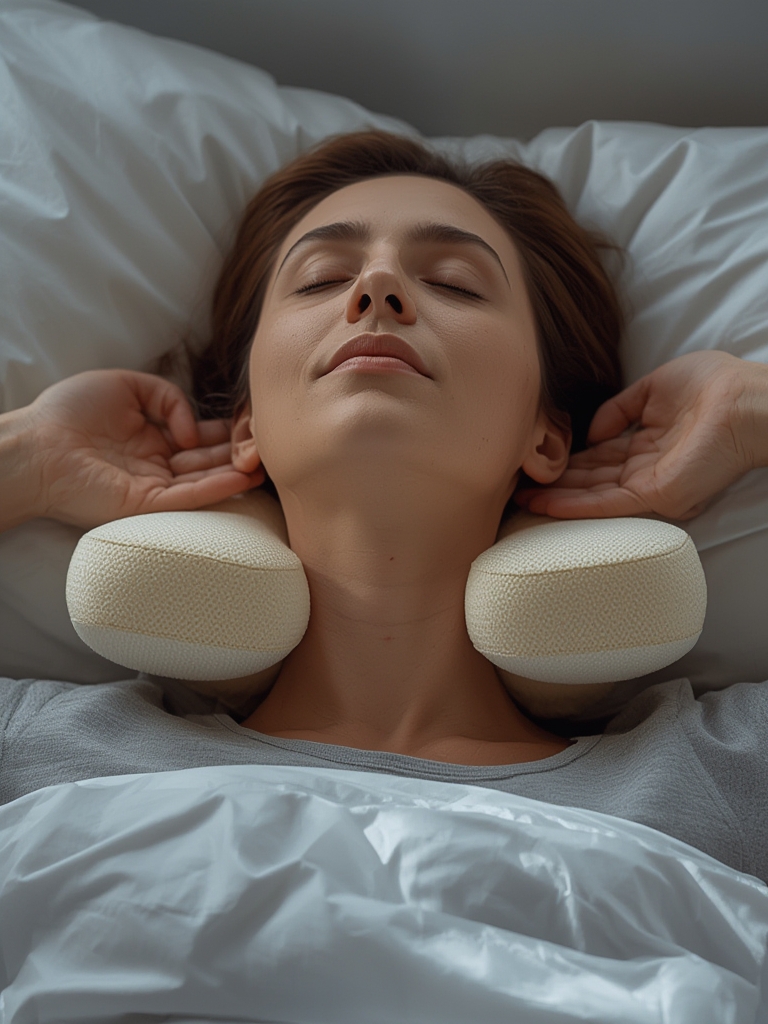
For budget options, memory foam cervical pillows under $50 are widely available. Higher prices are often due to aggressive marketing—premium materials do matter, but not all expensive pillows outperform cheaper proven models.
Our Sleep Ergonomics Tips post covers more details on posture and pillow synergy.
Advanced Analysis & Common Pitfalls
Even the best pillows for neck pain come with drawbacks. Here’s a realistic look at common complaints and how leading models stack up.
| Pillow Feature | Pros | Cons / Common Complaints |
|---|---|---|
| Thick Cervical Contour | Great head and neck alignment for side sleepers, strong support | Too high for back sleepers, can “crook” neck forward; uncomfortable for small frames [source] |
| Extra Firm Memory Foam | Prevents head sinking, maintains posture overnight | Described as a “headlock”; too firm for some; triggers new discomfort [source] |
| Ultra-Slim Designs | Back sleepers who need low loft benefit; helps with snoring | Unsuitable for side sleepers; no support for wider shoulders [source] |
| Adjustable or Modular Height | Customizable comfort; supports growing kids or body changes | Extra inserts may shift; fiddly adjustment during sleep; can feel awkward |
| Warranty / Returns (Direct Brands) | Brand new designs, big promises, unique shapes | Difficult returns, costly shipping (up to $100), partial refund only, flagged by fraud detectors (NeckHaven.store ratings) |
The most common pitfalls are picking a pillow too thick (especially for back sleepers), buying a pillow that’s too firm (causing new pressures), or purchasing from scammy brands with no real customer support. For stomach sleepers, even “neck” pillows may do more harm than good—a slim, soft pillow or none at all can be safer.
Read verified buyer reviews, scrutinize return policies, and remember: You may need a 1-2 week trial for your body to adjust to a new pillow. If you have chronic pain or prior injury, consult a healthcare provider before making major changes.

Conclusion
Finding the best pillows for neck pain requires more than slick advertising. There is no magical universal fix, and as of 2024, no new clinical trials prove that any one design is superior. What works best is a realistic, evidence-based approach—choose for your unique body, prioritize proven materials, and beware of scam brands. Start with the steps above and give your body time to adjust.
If you’re ready to shop, check our Best Memory Foam Pillows roundup, scan for certified reviews, and put comfort over hype. Your neck—and your mornings—will thank you.
Ready to wake up pain-free? Pick your best pillows for neck pain today and feel the difference in just a week or two.
Frequently Asked Questions
Are expensive neck pillows always better for neck pain?
No. While some high-cost models use premium materials, many $40-$60 options offer similar support and relief as $130+ pillows. Check material quality, return policy, and real user reviews before assuming higher price means better pain relief.
Is there medical proof that neck support pillows reduce pain?
As of 2024, no new medical studies conclusively prove that one pillow design beats another for chronic neck pain. Most relief comes from matching pillow height and firmness to your sleep habits and anatomical needs.
How do I know if my pillow is too thick or too thin?
When lying on your back, your neck and head should form a neutral line—if your chin tucks down or your head tilts backward, the pillow is likely the wrong height. For more, see the Pillow Height Guide.
Are there any safety risks with new ergonomic pillows?
While no recalls are reported, beware of scam brands that overpromise on pain relief and make warranty returns difficult or expensive. Always choose widely reviewed products with US-based customer support and transparent return policies.
Can stomach sleepers use a neck support pillow?
Most are not suitable, and may increase discomfort. Stomach sleepers should pick flat, very thin pillows or consult spinal health guides such as our Stomach Sleeping Risks resource.
—