

Looking for the Best Robot Vacuums for Home? Whether you want to automate chores or keep up with a busy household, choosing the right robot vacuum can make daily cleaning effortless—but only if you know what to look for.
Key Takeaways
- The global robot vacuum market is expanding rapidly in 2024, driven by smart-home trends and cutting-edge tech upgrades.
- Effective robot vacuums hinge on advanced navigation, obstacle avoidance, and innovative solutions for pet hair and debris management.
- Asia Pacific leads the market, but strong competition and regulations are shaping innovation in every region.
- What Are the Best Robot Vacuums for Home? (And Why You Should Care)
- How to Choose and Use the Best Robot Vacuum for Your Home
- Advanced Market Analysis and User Pitfalls
- Conclusion: Smarter Cleaning Starts Here
- Frequently Asked Questions
What Are the Best Robot Vacuums for Home? (And Why You Should Care)
The best robot vacuums for home aren’t just gadgets—they represent a major shift in how people clean, save time, and maintain healthier living spaces. Driven by fast-paced lifestyles and the need for convenience, the global robot vacuum cleaner market hit between USD 6.36 and 10.74 billion in 2024, with projections showing even faster growth ahead.[Source] These devices are no longer limited to techies or early adopters. Today’s best models use powerful obstacle avoidance, adaptive navigation, and anti-tangle technology to clean deeper and smarter than ever before.
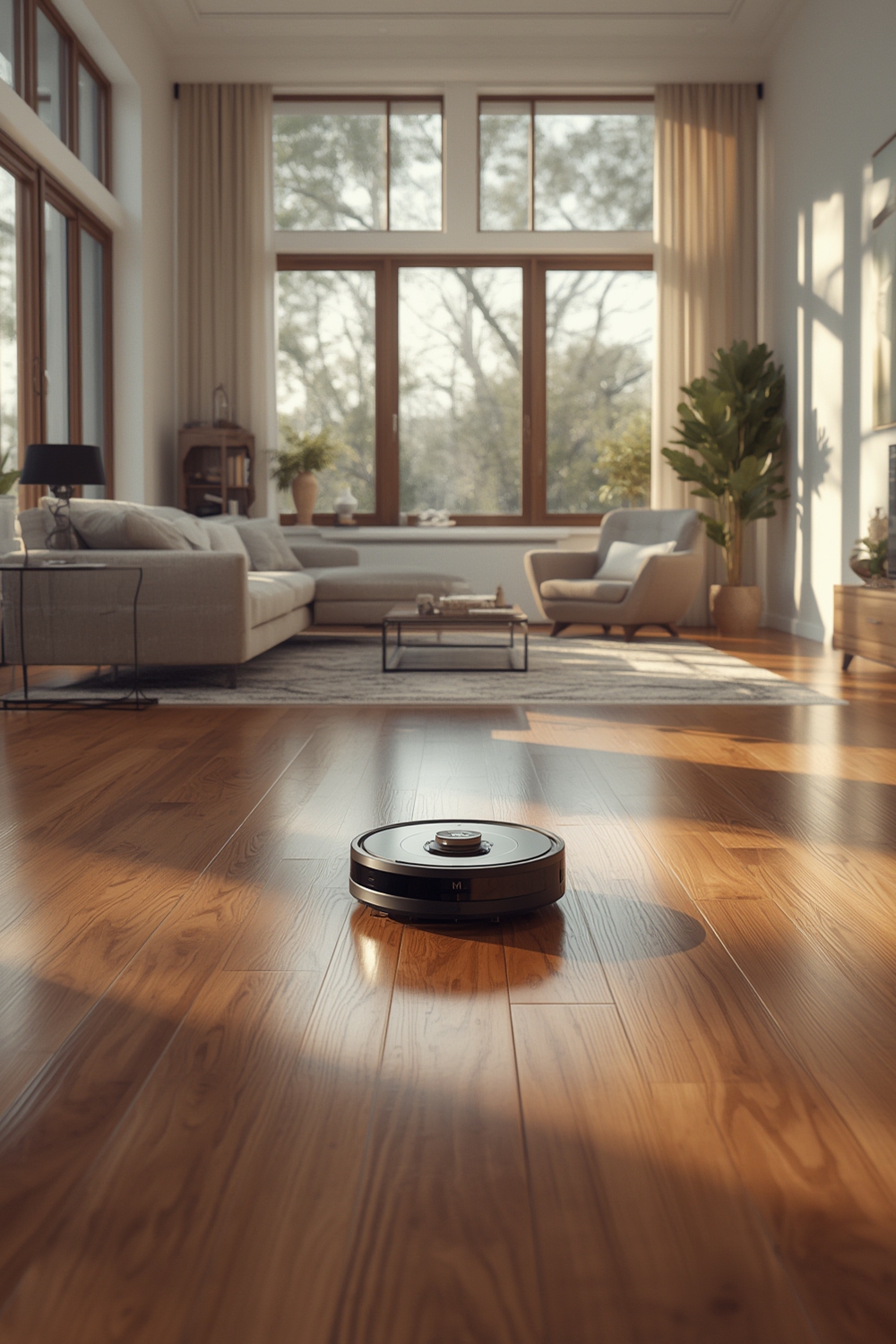
Why should you care? Because the race between leading brands like Roborock, iRobot, and Ecovacs means more advanced features—such as multi-floor mapping and serious pet hair suction—are now affordable options. For busy families, pet owners, or anyone wanting to outsource routine chores, robot vacuums deliver both daily relief and long-term home upkeep.
Globally, Asia Pacific commands over 40% of all robot vacuum sales thanks to smart-home integration, but growth is surging everywhere—from energy-conscious urban apartments in Europe to luxury homes in the Middle East adopting fleets of robotic cleaners.[Source] And as innovation ramps up, there’s never been a better—or more confusing—time to invest. That’s why it helps to get expert, unbiased advice for choosing the best fit for your unique needs.
How to Choose and Use the Best Robot Vacuum for Your Home
Ready to experience hands-free cleaning? Follow these actionable steps to find and use the best robot vacuum for your home:
- Assess Your Home’s Layout: Open floorplans and many rooms? Prioritize vacuums with advanced mapping and multi-room navigation, like Roborock’s Qrevo series.[Source]
- Identify Your Main Cleaning Challenges: Do you have pets shedding hair? Opt for models with anti-tangle or hair entanglement prevention (e.g., Roborock Qrevo Slim’s technology). Allergy-prone? Seek HEPA filtration and anti-allergen features.
- Compare Navigation & Sensor Tech: Models using LDS (LiDAR) or 3D ToF navigation avoid getting lost and handle obstacles better than bump-and-go designs. Features like AdaptiLift Chassis allow climbing over 40mm thresholds—critical for uneven floors or rugs.
- Set Your Budget (and Consider Hidden Costs): While pricing varies (see our Robot Vacuum Price Guide for a full breakdown), remember to account for consumables like replacement brushes, filters, and batteries.
- Review Integrated Features: Want a mop combo? Need scheduled cleaning or voice assistant integration? Double check app controls, mapping recall, and virtual wall setup.
- Evaluate Support and Warranty: Strong customer support, easy-to-find replacement parts, and reliable warranty terms can save headaches later. Start by reviewing our guide on Robot Vacuum Warranty Tips.
- Maintain for Long-Term Value: Clean sensors, empty dustbins regularly, and update firmware. See our Robot Vacuum Maintenance Checklist for best practices.
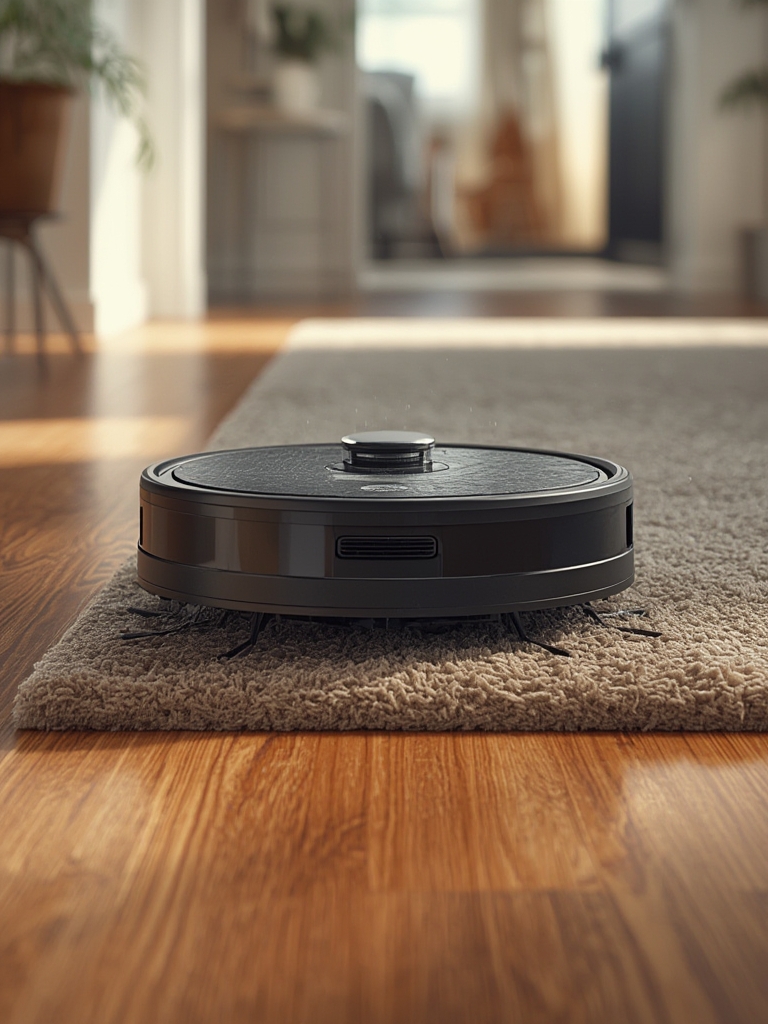
Keep in mind, no robot is perfect. Even the best robot vacuum can get tripped up on cords, dark carpets, or pet “accidents.” Start simple—avoid overcomplicating with too many bells and whistles if you want reliability day in and day out.
And if you’re transitioning from a traditional upright, visit our Robot Vacuum vs Traditional Vacuum comparison to see what adjustments to expect.
Advanced Market Analysis and User Pitfalls
Understanding both the market and user challenges can help you avoid costly mistakes. Adoption rates for robot vacuums are at an all-time high, but there are still real-world problems and pitfalls to watch out for:
- Unrealistic Expectations: Even the best models need regular maintenance and aren’t magic solutions for thick carpets or cluttered rooms.
- Unexpected Maintenance Costs: Brush replacements, battery swaps, and filter changes can add up—particularly if running daily on big homes.
- Navigation & Mapping Glitches: Entry-level models often miss spots or get stuck under furniture lacking advanced navigation.
- Software & Integration Limitations: Some low-cost vacuums offer poorly translated apps or unreliable smart home connection.
- Warranty and Durability Concerns: Not all brands back their products with robust after-sales support or easy repair solutions.
| Specification | Entry-Level | Mid-Range | Premium/Flagship |
|---|---|---|---|
| Navigation | Bump-and-Go / IR Sensors | LDS/Lidar Mapping | 3D ToF + Multi-Floor |
| Suction Power | 1200-2000Pa | 2000-3500Pa | 3500-7000Pa |
| Battery Life | 60-90 min | 90-150 min | 150-200 min |
| Obstacle Handling | Limited | Climbs 15-20mm | Climbs up to 40mm (AdaptiLift) |
| App Features | Basic | Room Mapping, Schedules | Zone Cleaning, No-Go Zones, Multi-User |
| Pet Hair Handling | Basic Brushes | Anti-Tangle | Dedicated Anti-Entanglement |
| Price Range (USD) | 150-300 | 300-700 | 700-1600+ |
If you’re interested in a deep-dive, check out our in-depth analysis of robot vacuum cleaner market trends to see more about how regulatory and regional factors, such as EU battery and AI laws, are shaping this market.
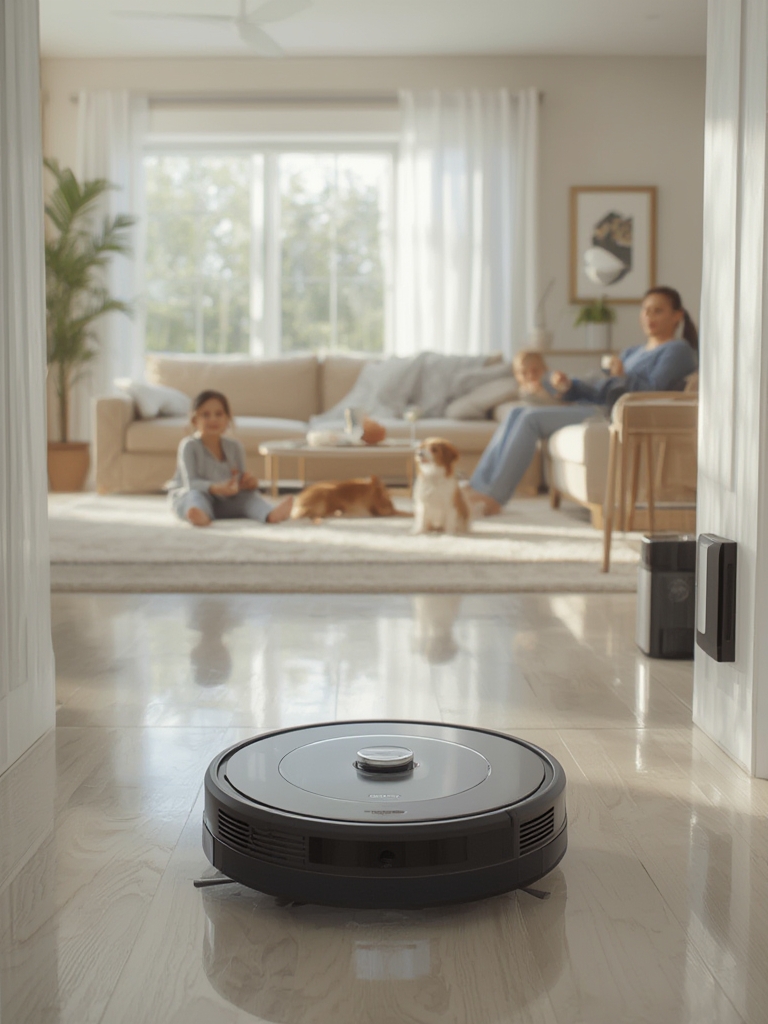
Pro tip: While brands like Roborock lead in sales growth and innovation[Source], even top-rated vacuums require realistic expectations about lifespan and needed upkeep. Our Robot Vacuum Durability Guide outlines what to expect for the long haul.
Conclusion: Smarter Cleaning Starts Here
Robot vacuums are transforming home cleaning with intelligence and convenience. By understanding the market landscape, core features, and true limitations, you can find the Best Robot Vacuums for Home that fit your daily life—delivering cleaner floors and more free time. Ready for a smarter, easier clean? Check our buying guides, compare models, and transform your routine today.
Frequently Asked Questions
How do I know which robot vacuum is right for my home?
Start by measuring your floor plan, counting room transitions, and listing any obstacles like high carpets or pets. Then match these needs to key features—navigation tech, suction, and pet hair handling—before comparing models and reading real user reviews.
Are robot vacuums safe for all surfaces?
Most robot vacuums are safe for hardwood, tile, and low-pile carpets. Some entry-level models may struggle with high-pile rugs or thresholds, so choose one with appropriate climbing and surface sensing features based on your home’s layout.
What maintenance does a robot vacuum require?
Common tasks include emptying the bin, cleaning sensors, detangling brushes, and replacing filters and batteries according to the manufacturer’s schedule. Regular maintenance ensures longevity and optimal performance.
Do robot vacuums work with smart home systems?
Many modern robot vacuums integrate with Amazon Alexa, Google Assistant, or proprietary apps, allowing remote control, scheduling, and even customized cleaning zones. Check your model’s compatibility before purchase.
How long do robot vacuums typically last?
With regular maintenance and occasional part replacements, robot vacuums generally last between 3 and 6 years. Warranty terms, brand reputation, and after-sales support impact longevity.